


Updated: June 28, 2025
Living in Washington, DC provides access to a fairly strong job market and a rich cultural life. However, this comes at a price. Washington, DC is known as one of the most expensive cities in the US. Buying or renting a home will cost you more than the national average. Therefore, people who plan to settle in the area are increasingly looking to the suburbs of the capital, as there are more affordable options there.
In this guide, we have listed 7 budget-friendly suburbs near DC. All of them offer affordable housing prices, good safety, and a convenient commute to DC. We used current data from the U.S. Census Bureau, Zillow, and BestPlaces. These suburbs are suitable for people who are moving for work, want to reduce their living expenses, or simply want to get better value for their money.
Short answer:
Living in Washington, DC is very expensive. The suburbs allow you to save significantly by reducing housing costs. At the same time, you do not lose as much time commuting to downtown DC.
Among the best places to live near DC in 2026:
- Cheapest home values: Hyattsville, MD; Germantown, MD; Waldorf, MD;
- Best public transportation: Silver Spring, MD; Hyattsville, MD; Germantown, MD; Gaithersburg, MD;
- Best for families: Germantown, MD; Gaithersburg, MD; Waldorf, MD.
These areas offer:
- Homes are typically $100,000–$250,000 cheaper than in DC.
- Rent is $350–$500 cheaper per month.
- Commute times to the city are typically less than 60 minutes by car or public transportation (Metro, MARC, VRE).
How We Picked These Budget-Friendly Suburbs Near DC
During the selection process, we did not just look at cheap locations. We also looked at comfortable living conditions and short commutes to the capital.
Home Prices & Rent
We prioritized areas where home prices and rents are below the average for Washington, DC. To do this, we used current data for 2026 from Zillow, as well as regional rental reports.
Commute to DC
We only included areas that are within a 60-minute commute to DC. This applies to the most practical transportation options such as Metro, MARC, VRE commuter rail, and major highways.
Quality of Life
We also researched factors that contribute to everyday comfort. These include schools, parks, shops, healthcare, and other services. This is especially useful for families and those planning to stay for the long term.
Updated for 2026
All information is up-to-date. It takes into account the realities of the post-pandemic market and is based on the latest data for the end of 2026. All of these suburbs are really affordable, have a high level of safety and convenience for those who work in Washington, DC or nearby areas.
Affordable Suburbs Near Washington, DC
Frederick, MD
Matthew Binebrink, CC BY-SA 4.0, via Wikimedia Commons
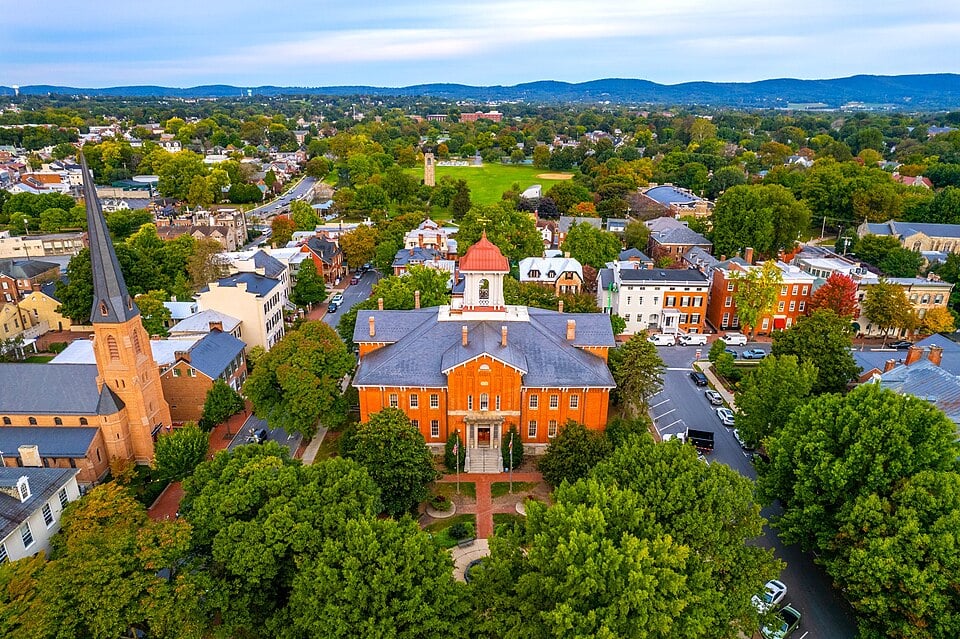
Frederick, MD is located 45 miles northwest of Washington, DC. It is rightfully considered one of the most attractive options for its price. Due to the relatively convenient commute to DC, this option is suitable for families, remote and hybrid workers. At the same time, for the same money, you will get more space than the suburbs located closer to the Beltway.
Housing in Frederick is generally more affordable than in Washington, DC and many inner-ring suburbs in Maryland and Northern Virginia. As of 2026, home prices are typically in the mid-$400,000s, while the average monthly rent for a 1-bedroom apartment is about $1,685. Prices vary by neighborhood, property type, and proximity to downtown Frederick.
Single-family homes and townhouses are usually represented on the market. For the same money, buyers can get significantly more square footage here than in suburbs closer to the capital.
Commuting to Washington, DC is possible, but requires planning. Many residents drive by car on I-270, but traffic can be heavy during peak hours. Public transportation is a real alternative: the MARC Brunswick Line connects Frederick Station with Union Station in approximately 1 hour to 1 hour and 15 minutes. This makes the city a convenient option for those who work a hybrid schedule or commute to the office on a daily basis.
Quality of life is one of the main advantages of Frederick. Here you can find:
- compact and walkable historic downtown;
- local restaurants and breweries;
- convenient access to parks, trails, and the Catoctin Mountains.
Public schools most often have average to above-average grades, and infrastructure investments support the city's continued development.
The main trade-off is distance. The daily commute to DC, especially by car, can be exhausting. But for those who value space, lower home prices, and a comfortable lifestyle and do not have to be downtown every day — Frederick, MD remains one of the strongest options among affordable suburbs near Washington, DC.
Germantown, MD
Carol M. Highsmith, Public domain, via Wikimedia Commons
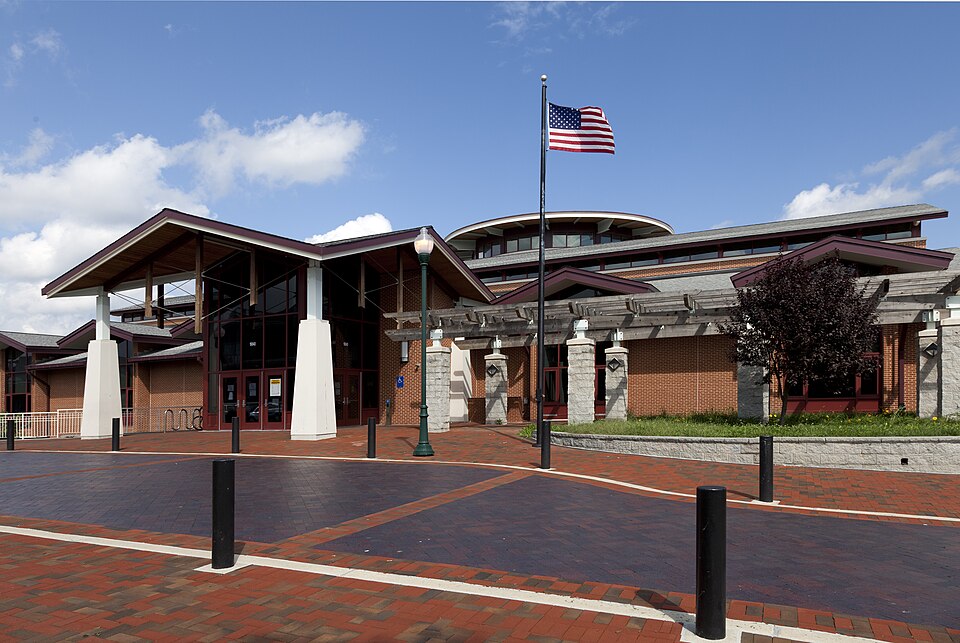
Germantown, MD is a large suburban community located 30 miles northwest of D.C. Germantown is one of the most affordable areas in the county. As of 2026, Germantown’s average home value is around $425,000, while the average rent for a 1-bedroom apartment is about $1,700. This keeps Germantown relatively affordable by Montgomery County standards, especially compared with many nearby communities closer to DC.
Compared to Frederick, Germantown is closer to DC, making it more convenient for daily commutes. It is also more integrated into the economy of the Washington metropolitan area. It is most often chosen by families and first-time homebuyers who want access to the Washington job market without facing the typically high prices of neighboring suburbs.
Commuting options to Washington, DC are quite flexible. Many residents drive by car on I-270, although traffic jams are common during rush hours. A significant advantage of the area is public transportation. The MARC Brunswick Line allows you to get from Germantown to Union Station in about 45 minutes – just over an hour, which is convenient for both daily commuters and hybrid workers.
Everyday life in Germantown is built around convenience and diversity. Residents have access to large shopping centers, restaurants and green areas, including Black Hill Regional Park, as well as one of the most affluent school systems in the state — Montgomery County public schools. The main drawbacks are building density and traffic. The area does not have a walkable historic core, and it can feel congested during peak hours.
Waldorf, MD
AirForceAviator, CC BY 4.0, via Wikimedia Commons
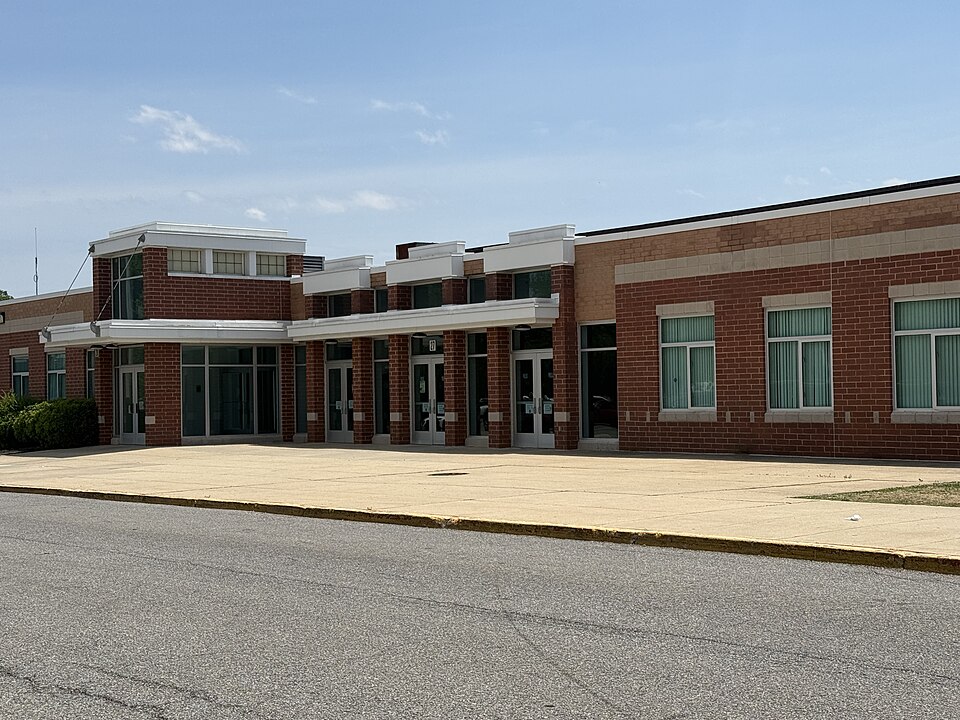
Waldorf, MD is located in Charles County, Maryland, approximately 25 miles southeast of Washington, DC. This is one of the most affordable major suburbs in the region. It is particularly popular with families and first-time buyers who look for lower housing prices and more space than in suburbs closer to downtown. Compared to Germantown, Waldorf seems more sprawling and less integrated into the main DC transit network.
The main advantage of Waldorf is housing affordability. As of 2026, average home values are generally around $435,000–$440,000. Rent for a 1-bedroom apartment usually falls around $1,600–$1,850, depending on the building, location, and data source.
The housing stock mainly consists of single-family homes and new suburban developments. It makes the area particularly attractive for those looking for larger homes, a private yard and quieter residential streets.
Commuting to Washington, DC is more difficult than in suburbs with Metro, MARC, or VRE service. Waldorf does not have a Metro or commuter rail station, so most residents rely on cars, commuter buses, and park-and-ride options. Typical commute times can range from about 45 to 75 minutes, but travel time depends heavily on traffic, especially along US-301, MD-5, and Beltway connections. For this reason, Waldorf is usually a better fit for hybrid workers or families who do not need to commute into DC every day.
Everyday life in Waldorf is focused on the classic suburban lifestyle, not on walking distance. There are many shopping centers, restaurants, parks and public spaces, which supports the family-oriented lifestyle well. Public schools in Charles County typically have average to above-average grades. Waldorf does not have a pronounced downtown and active nightlife. But for many residents, this compromise is justified by space and affordable prices.
Overall, Waldorf, MD is meant for buyers and families who prioritize lower home prices and spacious accommodations and are willing to put up with car-dependent trips in exchange for affordability.
Woodbridge, VA

Judy Gallagher, CC BY 2.0, via Wikimedia Commons
Woodbridge, VA is located in Prince William County, about 20-22 miles south of Washington, DC. It is one of the most affordable large suburbs in Northern Virginia. It offers its residents several possible commute options to DC. This area is popular among couples and first-time buyers. This is due to the need for more space, which other suburbs cannot provide. At the same time, good transportation access to Washington, DC is maintained.
Housing prices in Woodbridge are significantly lower than in other Northern Virginia suburbs that are closer to the capital. As of 2026:
- Median home values are around $480,000–$510,000.
- Average monthly rent is around $1,600 for 1 bedroom apartment.
The market offers a choice of single-family homes, townhouses, and apartments. You will get more square footage for the same price as in Fairfax or Arlington.
A distinctive feature of Woodbridge is its commuting convenience. The suburb is served by the VRE Fredericksburg Line. This line provides direct service to Union Station. Travel time does not exceed 65 minutes. For cars, there is I-95, which has very heavy traffic during rush hour. The advantage is that the route is direct and fairly straightforward. The availability of both rail and car transportation allows residents to choose their own way of traveling to the capital.
In terms of safety, Woodbridge is rated in the average range when compared to other DC area suburbs. The crime rate here is not as high as in Washington, DC. However, it is higher than in the more upscale areas of Virginia. The figures vary significantly depending on the specific neighborhood.
For everyday life, Woodbridge boasts proximity to nature and convenience. There is a large shopping center, Potomac Mills, and many good restaurants and services. There are also several natural areas in the suburbs, such as Occoquan River and Leesylvania State Park. The quality of schools varies from district to district. On average, within Prince William County, they are rated average to above average.
The main drawbacks are the density of development and heavy traffic. I-95 is typically congested during rush hour. At the same time, there is no classic walkable downtown here. Nevertheless, the combination of relative affordability, access to transportation, and more spacious housing makes Woodbridge, VA an attractive option in close proximity to Washington, DC.
Gaithersburg, MD
Bonnachoven, CC0, via Wikimedia Commons
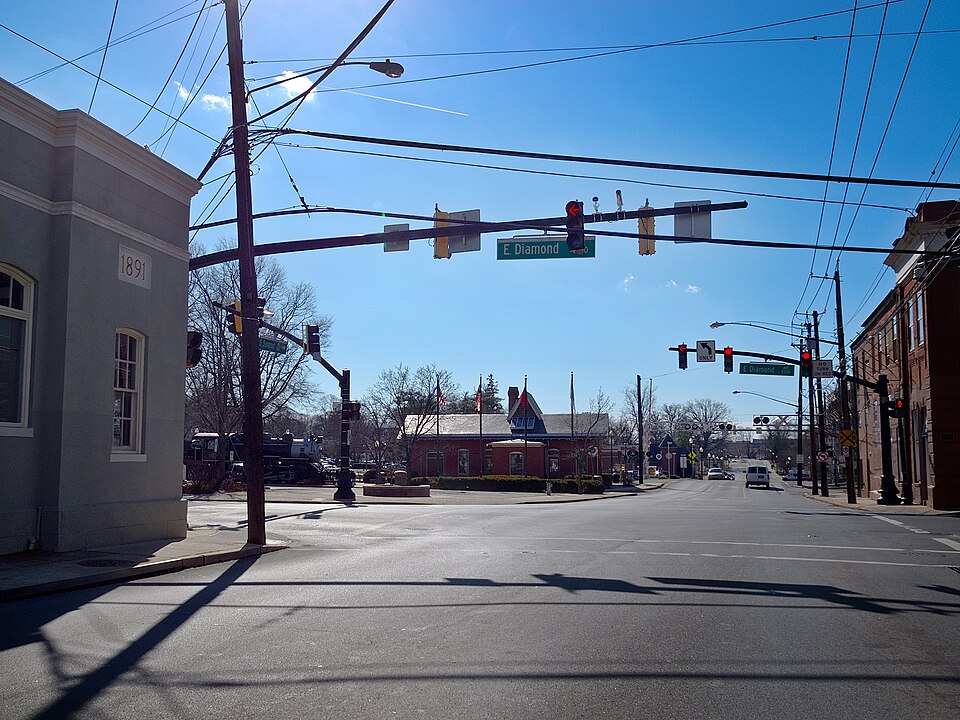
Gaithersburg, MD is located in Montgomery County, Maryland. It is approximately 25 miles northwest of Washington, DC. It is closer to the city than Germantown, and offers a more established and stable suburban environment. The area is particularly popular with families and professionals who care about Montgomery County's schools and infrastructure, but aren't willing to pay Bethesda or Rockville prices.
Housing in Gaithersburg is more affordable than in many DC suburbs, although slightly more expensive than in Germantown. In 2026:
- median home values are usually in the range of $515,000–$540,000.
- average monthly rent is about $1,675 for 1 bedroom apartment
The housing stock includes single-family homes, townhouses and apartment communities. It creates a good balance between price, space and long-term stability.
Commuting to Washington, DC is quite flexible. Gaithersburg is served by the MARC Brunswick Line, which takes approximately 45-55 minutes to reach Union Station. Motorists most often use I-270, where traffic remains heavy during peak hours. This makes Gaithersburg suitable for both daily commuters and hybrid workers.
Quality of life is one of the key advantages of Gaithersburg. Residents get access to large green areas including Seneca Creek State Park. They also have well-maintained residential neighborhoods, shopping centers, and a strong public school system. The main disadvantage is the cost. Housing here is more expensive than in more remote suburbs. Also, traffic on I-270 during rush hours can be annoying. However, for many families, the stability and quality of schools justify the higher price.
Hyattsville, MD
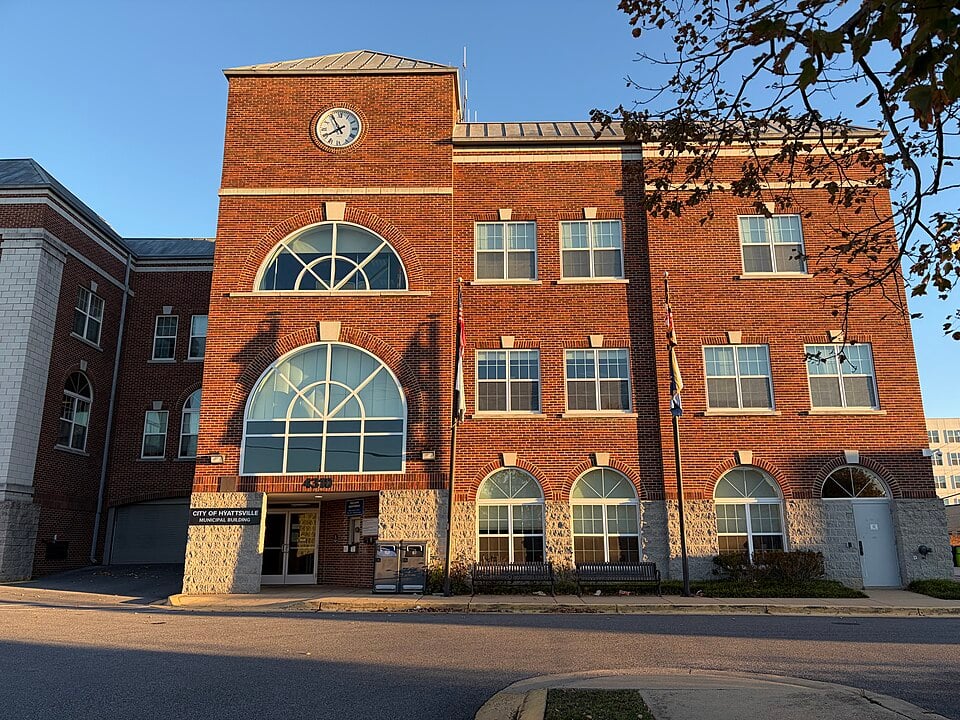
Dclemens1971, CC BY 4.0, via Wikimedia Commons
Hyattsville, MD is located in Prince George's County, just a few miles northeast of downtown Washington, DC. This is one of the closest and most affordable suburbs on the list, which makes it particularly attractive for commuters who need short commutes and direct access to Metro, but without DC-level housing prices. The area is popular with young professionals, first-time buyers and those who prefer not to depend on the car.
The cost of housing in Hyattsville remains relatively low, given its proximity to the city. Based on data for 2026:
- median home values are usually in the range of $405,000–$425,000.
- average monthly rent is about $1,600 for 1 bedroom apartment.
The housing stock includes older single-family homes, townhouses and new apartment developments near Metro stations. Although homes here are often smaller or older than those in more remote suburbs, for many buyers and renters, it is the combination of location and price that makes Hyattsville, MD a particularly attractive option near Washington, DC.
One of the main advantages of Hyattsville is its convenient commute to Washington, DC. The city has access to WMATA’s Green Line through West Hyattsville and Hyattsville Crossing. From these stations, residents can reach many parts of DC relatively quickly. Additional flexibility comes from bus routes and road access via Route 1, the Baltimore-Washington Parkway, and the Capital Beltway.
In terms of safety, Hyattsville crime rate is similar to Washington, DC. But it is still higher than in more remote suburbs. It depends on the specific neighborhood.
Everyday life in Hyattsville reflects its urban-suburban mix. The area offers a developing arts and culture scene, local restaurants and cafés, convenient shopping and active redevelopment. Schools in Prince George's County vary in quality. On average, schools are rated from average to slightly above average. The main trade-offs are building density, smaller houses, and limited parking. However, for many residents, quick access to Metro and a short commute outweighs these disadvantages.
Silver Spring, MD
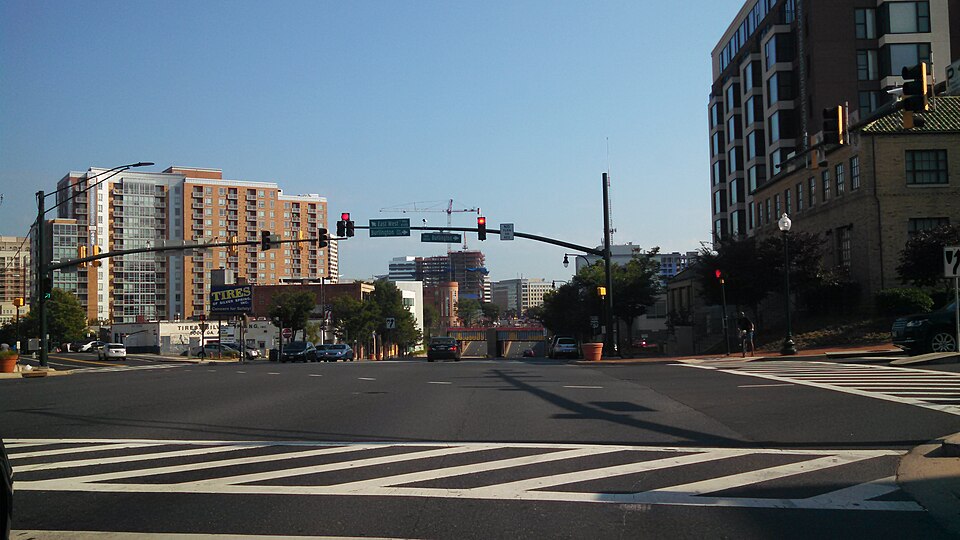
Bonnachoven, CC0, via Wikimedia Commons
Silver Spring, MD is located just north of Washington, DC, in Montgomery County, and is one of the closest suburbs on this list. In many ways, it feels like an extension of the city: dense development, walkable neighborhoods, and one of the best levels of public transit access outside of DC itself. Silver Spring is particularly appealing to commuters, young professionals, and those looking for a more urban lifestyle at a lower price than Washington, DC.
The cost of housing in Silver Spring is higher than in the remote suburbs, but still lower than in DC or in areas like Bethesda or Arlington. Based on data for 2026:
- median home values are usually in the range of $495,000–$555,000.
- average monthly rent is about $1,700 for 1 bedroom apartment.
Most of the housing stock consists of apartments, condos and townhomes near transport hubs, while single-family homes are available in the surrounding areas, but at a higher price.
Commuting to Washington, DC from Silver Spring is one of the easiest options in the region. Several Metro Red Line stations, including the main Silver Spring station, provide direct access to downtown DC. Typical travel times are 20-40 minutes. A well-developed bus network further enhances the district's role as a major transit hub, making it convenient for car-free or low-car households.
In terms of safety, Silver Spring is usually in the average range among inner-ring DC suburbs. The crime rate is lower than in Washington, DC as a whole, but varies markedly by area: downtown is more active than in quieter residential neighborhoods.
The quality of life in Silver Spring is defined by accessibility and diversity. Downtown is home to restaurants, shopping, music venues, and cultural institutions such as The AFI Silver Theatre and The Fillmore, as well as green spaces nearby, including Sligo Creek Park. Public schools benefit from a strong Montgomery County education system. The main disadvantages are higher costs, density of buildings and difficulties with parking. For many residents, the convenience and short commute fully justify these compromises.
Compare the Most Affordable Suburbs Near Washington, DC (2026)
| Suburb | Median Home Price | Avg. Monthly Rent (1 bd) | Typical Commute to DC | Transit Access | Safety Level | Best For |
|---|---|---|---|---|---|---|
| Frederick, MD | ~$435K–$460K | ~$1,685 | ~60–75 min | MARC, I-270 | Moderate | Remote & hybrid workers, families |
| Germantown, MD | ~$390K–$425K | ~$1,700 | ~45–65 min | MARC, I-270 | Avg–Above Avg | Budget-conscious commuters |
| Waldorf, MD | ~$435K–$440K | ~$1,700 | ~45–75 min | Bus, car | Moderate | Families seeking space |
| Woodbridge, VA | ~$480K–$510K | ~$1,600 | ~50–65 min | VRE, I-95 | Average | Families, rail commuters |
| Gaithersburg, MD | ~$515K–$540K | ~$1,600 | ~45–55 min | MARC, I-270 | Above Avg | Families, school-focused buyers |
| Hyattsville, MD | ~$405K–$425K | ~$1,700 | ~15–30 min | Metro (Green Line) | Average | Car-free commuters |
| Silver Spring, MD | ~$495K–$550K | ~$1,700 | ~20–40 min | Metro (Red Line) | Average | Urban lifestyle, transit users |
For comparison, in Washington, based on data from Zillow, renting a one-bedroom apartment costs $2,128, and the average price of a house is $570,000–$650,000.
Hidden Costs to Consider Before Moving Near Washington, DC
Choosing an affordable suburb near Washington, DC is only part of the equation. The price of buying a home or the level of rent is important. But taxes, transportation, and regular payments can significantly change the real cost of living. Often, a lower home price is accompanied by higher fixed costs. So, it is important to assess the full financial picture before moving, and not just the cost of housing.
Property Taxes
Property taxes vary across the DC metro area and can add thousands of dollars per year to the cost of owning a home. Rates differ by state, county, city, and special tax district, so two homes with similar prices can have very different annual tax bills.
In Maryland suburbs, buyers should pay attention to both county and local property tax rates. Areas such as Montgomery County, Prince George’s County, Frederick County, and Charles County may have different tax structures and credits. In Virginia, property tax rates can be competitive, but car owners may also need to budget for vehicle-related personal property taxes and local fees.
For example, a home in Montgomery County, MD may have a different annual tax bill than a similarly priced home in Prince William County, VA. Over time, these differences can affect affordability, especially for buyers on a tight budget. When comparing suburbs, it is important to look beyond the purchase price and estimate the total annual tax obligation.
Transportation and Commuting Costs
Commuting costs are another key factor, especially in suburbs farther away from Washington, DC. Daily car travel quickly accumulates fuel costs, toll roads, parking, maintenance, and car wear, especially on congested routes like I-95, I-270, and I-66.
Public transportation can reduce some of these costs. But it still remains a regular item of expenditure. Monthly passes for Metro, MARC, or VRE should be budgeted in advance. In suburbs with good transit access such as Silver Spring or Hyattsville rent may be higher. However, savings on car ownership and parking often partially offset this difference. More car-dependent suburbs, such as Waldorf, typically require a minimum of one car per family. It increases overall costs.
HOA Fees, Utilities, and Insurance
Many new suburban neighborhoods near DC have HOA fees, which often range from $50 to $300+ per month. While these payments may cover common area maintenance or general amenities, they add a fixed monthly load and do not increase equity.
Utility costs are also highly dependent on the type and age of housing. Larger or older homes often require high heating and air conditioning costs, especially given the hot summers and cold winters in the DC region. Insurance is another expense item that can easily be underestimated: homeowners insurance depends on the cost and age of the home, and renters’ insurance, although inexpensive, should still be included in the monthly calculation.
The Big Picture
Suburbs that seem cheap at first glance don't always turn out to be the most profitable in the long run. Higher taxes, long commute, HOA fees, and transportation costs can significantly reduce the difference between remote suburbs and closer areas. Comparing total monthly and annual costs, not just rent or mortgage payment, helps you make a more balanced and sustainable decision when choosing a place to live near Washington, DC. Renters who want a clearer picture of how DC neighborhoods compare with nearby suburbs often use local rental market guides such as Rent the District to evaluate pricing, commute trade-offs, and housing options across the region.
Frequently Asked Questions
Hyattsville, MD, Germantown, MD, and Waldorf, MD are among the strongest low-cost options on this list. Hyattsville offers some of the lowest average home values while still being close to DC and connected to Metro. Germantown offers strong overall value in Montgomery County, while Waldorf is attractive for buyers who want more space and lower home prices.
The best choice depends on what you mean by “cheap.” Hyattsville is strong for proximity and Metro access, Germantown is strong for Montgomery County value, and Waldorf is strong for larger homes and suburban space.
Germantown, Gaithersburg, and Waldorf are strong family-oriented options. Germantown and Gaithersburg offer access to Montgomery County schools, parks, shopping, and established residential neighborhoods. Waldorf is a good fit for families who want larger homes, private yards, and more space for the money.
Frederick can also work well for families, especially those with hybrid or remote work schedules, but the commute to DC is longer.
Yes, but some suburbs are much easier than others. Silver Spring and Hyattsville are the best options for a car-free or low-car lifestyle because they have Metro access, bus service, and more walkable areas.
Germantown and Gaithersburg can work for commuters who use MARC, but daily errands are usually easier with a car. Waldorf and Frederick are much more car-dependent, while Woodbridge offers VRE access but still generally works better for households with a vehicle.
For the suburbs in this guide, Maryland generally offers more affordable options. Hyattsville, Germantown, Waldorf, Frederick, and Gaithersburg provide a wide range of prices, commute styles, and housing types.
Virginia can still offer value, especially in Woodbridge, where buyers may find more space than in Arlington, Alexandria, or Fairfax. However, Woodbridge is better described as affordable for Northern Virginia rather than cheap compared with every DC-area suburb.