
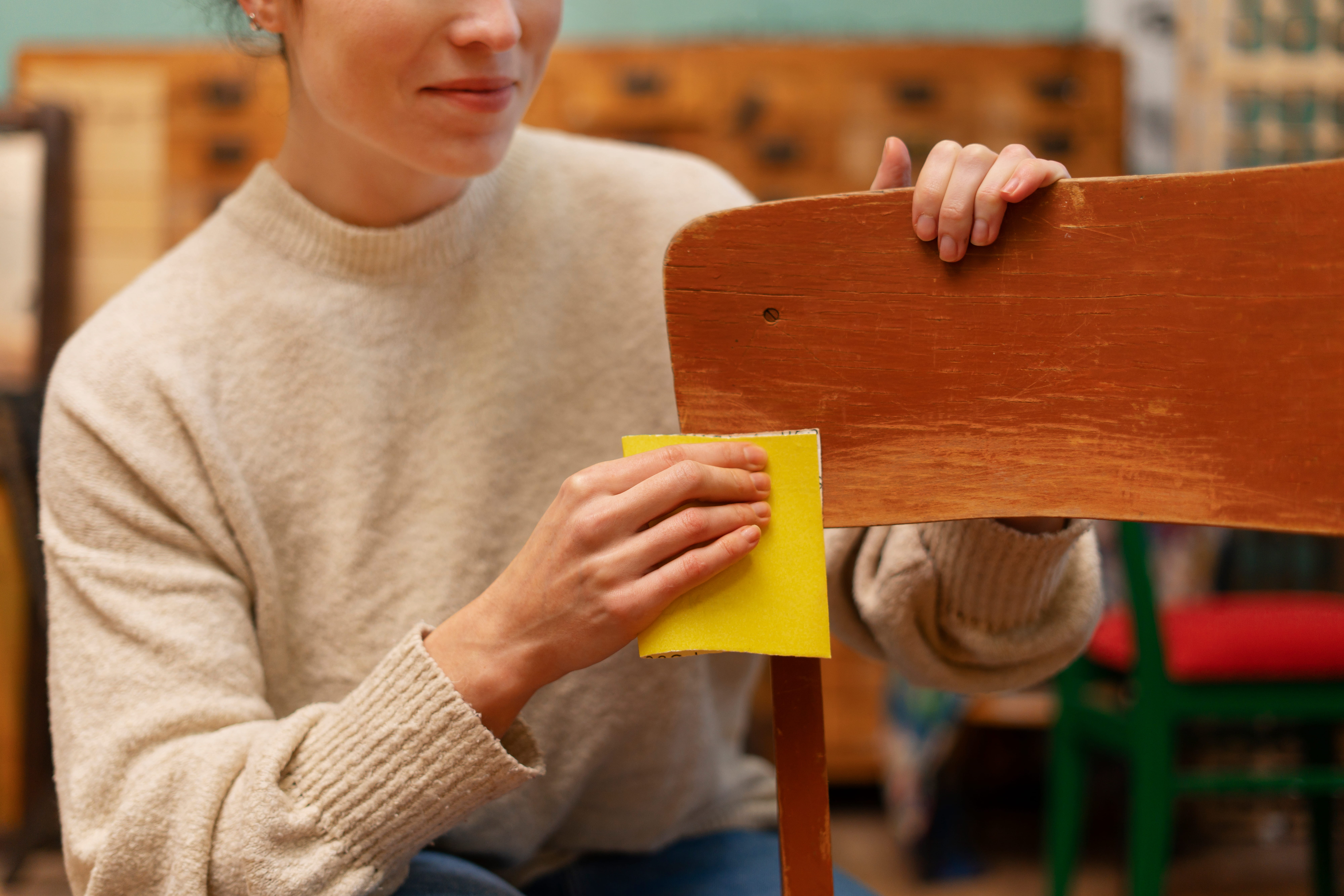

Understanding how to label furniture parts for reassembly is one of the most important steps before disassembling beds, tables, desks, shelves, and other large pieces of furniture during a move. Once furniture hardware, panels, brackets, screws, and bolts are separated, even simple furniture can be difficult to put back together.
A well-thought-out labeling system helps prevent the loss of hardware, keeps matching parts together, and significantly simplifies the reassembly process after moving day. This is especially important if the furniture will be loaded into a moving truck, sent to storage, or involved in a long-distance move.
Professional movers use labeling, inventory, and hardware organization to make furniture disassembly more organized and reduce confusion when reassembling furniture in the new home. In this guide, we’ll explain how to label furniture parts before a move so that every piece is easier to find, match, and reassemble correctly.
Why Labeling Furniture Parts Before Moving Is Important
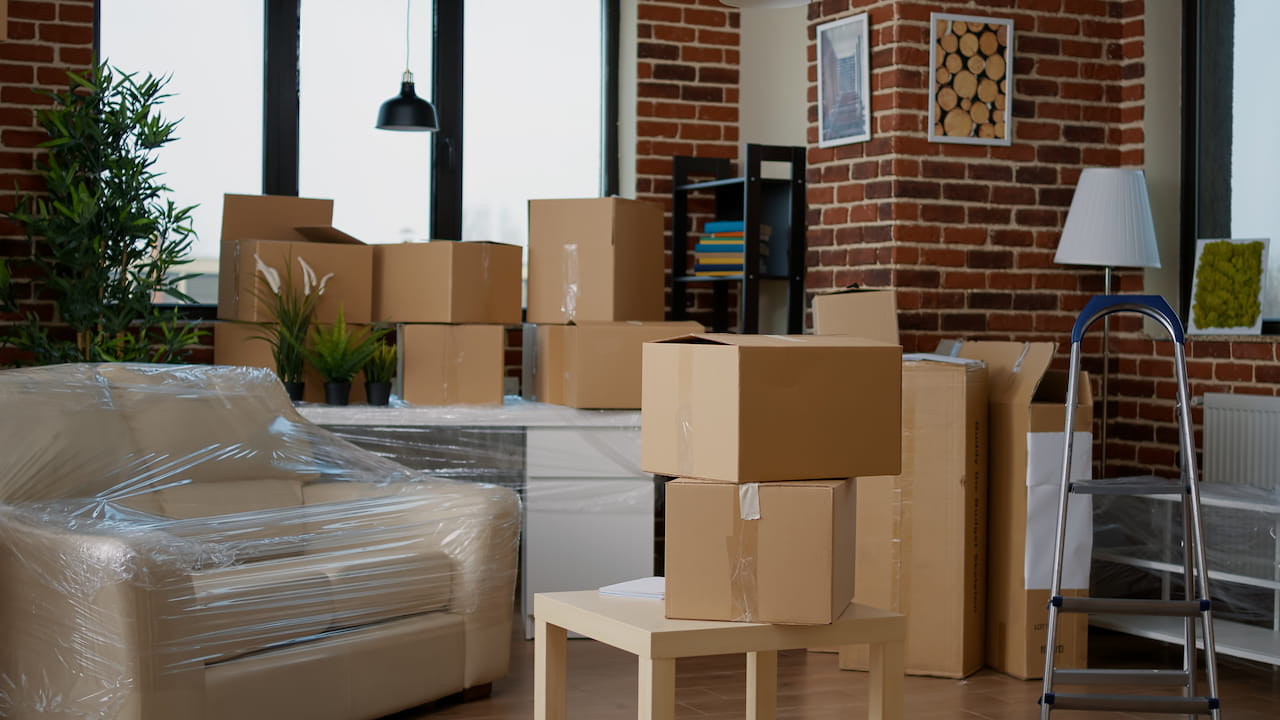
Labeling furniture parts before disassembly helps prevent confusion, loss of hardware, and delays during reassembly. After taking apart a bed frame, desk, table, dresser, or bookshelf, many panels, rails, brackets, and screws start to look almost identical. Without labels, it becomes much harder to figure out which parts go together.
A good labeling system helps keep screws, bolts, washers, and other hardware together with the correct piece of furniture. This speeds up reassembly and reduces the risk of using the wrong hardware during assembly.
Professional movers often label furniture parts, hardware bags, and wrapped components as part of the inventory process, especially during long-distance moves or storage moves, when furniture has to be moved and reloaded several times.
Clear labels also help avoid assembly mistakes and reduce the risk of furniture damage during reassembly.
Supplies You Need to Label Furniture Parts
Before you start furniture disassembly, prepare all labeling and hardware storage supplies in one place. Having the right materials ready helps you label furniture parts as you remove them, instead of trying to organize everything after the furniture is already taken apart. This simple step can save a lot of time during packing, loading, and reassembly.
Take Photos Before Disassembling Furniture
Before disassembling your furniture, take clear photos. Photograph the front, back, and sides, as well as the connection points, and include close-ups of hardware, hinges, drawer slides, and cable setups. These reference photos will make reassembly much easier after your move.
Use a Numbering System for Matching Parts
Use numbered labels, painter’s tape, or removable stickers to mark matching parts. For example, apply the same number to two connection points that need to be joined during reassembly.
Also add position labels: left, right, top, bottom, front, and back—especially for beds, desks, wardrobes, and modular furniture.
Label Furniture Hardware Separately
Store screws, bolts, brackets, and other hardware in separate, labeled ziplock bags. Use one hardware bag for each piece of furniture and label it as clearly as possible, for example: “Desk — Leg Screws” or “Bed Frame — Side Rail Bolts.”
If possible, attach the sealed hardware bag to the corresponding piece of furniture.
Use Color-Coded Labels for Large Moves
For larger moves, use color-coded labels for different rooms. This simple tip will help you better organize furniture parts and hardware during loading and unloading.
Protect Labels During the Move
Place labels so that they remain visible and protected during transport. If furniture is wrapped, add a second label to the outside of the packaging if necessary.
Best Way to Organize Furniture Hardware During a Move
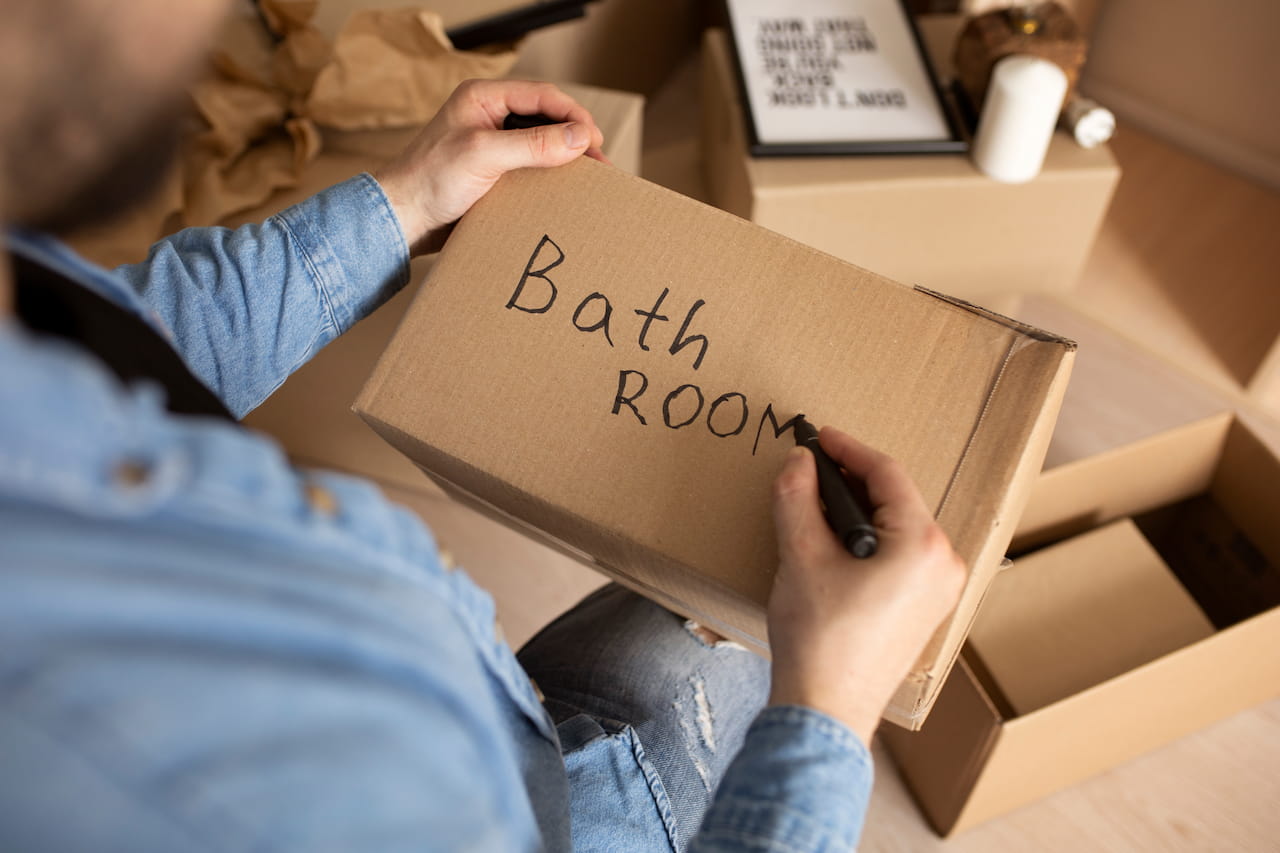
The best way to organize furniture hardware during a move is to keep every screw, bolt, washer, bracket, and connector with the piece of furniture it came from. Organizing hardware may seem like a minor detail, but it’s often what determines whether reassembly takes just a few minutes or turns into hours of searching for parts after moving day.
Keep Hardware With the Correct Furniture
Use one labeled hardware bag for each piece of furniture. Store screws, bolts, shelf pins, brackets, and small connectors separately for each bed frame, desk, table, or bookshelf.
Label each bag as clearly as possible, for example:
- “Bed Frame — Side Rail Bolts”
- “Desk — Leg Screws”
If possible, attach the sealed hardware bag to the corresponding piece of furniture or store all labeled bags in a single small hardware box.
Create a Simple Furniture Inventory List
A simple inventory list helps you keep track of furniture parts and hardware during a move.
| Room | Furniture Item | Hardware Bag | Notes |
|---|---|---|---|
| Bedroom | Bed Frame | Bag #1 | Rails labeled L/R |
| Dining Room | Table | Bag #2 | Legs numbered |
| Office | Desk | Bag #3 | Cable photo saved |
This simple system speeds up furniture reassembly and helps ensure that all parts have arrived at the new home.
How Professional Movers Label Furniture Parts
Professional movers label furniture parts as part of a larger inventory and organization system. Furniture is typically identified by room, item, and part number to ensure that all components and hardware remain together during packing, transport, and reassembly.
For example, a bed frame might be labeled “Master Bedroom — Bed Frame — Part 1 of 6,” and the matching hardware bag would use the same item number.
For larger moves or storage projects, some moving companies also use barcode labels, QR codes, or digital inventories to track furniture parts and hardware throughout the move.
This organized process helps reduce the number of lost parts, setup delays, and reassembly mistakes during local and long-distance moves.
Special Tips for Labeling IKEA and Modular Furniture
IKEA and modular furniture require more careful labeling because, after disassembly, many parts start to look almost identical.
Before disassembling the furniture, save the assembly instructions or download a digital copy to use as a reference during reassembly. Also, take photos of the furniture and connection points before removing any parts.
Label each panel by its position, not just by the name of the furniture. Use labels such as “Left Panel,” “Top Shelf,” or “Drawer Front,” and use matching numbered labels for connecting pieces.
Store small connectors, cam locks, shelf pins, and other hardware in separate labeled bags.
For modular furniture, label each section separately, such as “Section A” or “Corner Unit,” and add front/back or left/right markings as needed.
Conclusion
Learning how to label furniture parts for reassembly can make your move much more organized from start to finish. Clear labels, separate hardware bags, reference photos, and a simple inventory system help prevent lost furniture hardware, reduce confusion, and make reassembly faster once you arrive at your new home.
Labeling also supports better furniture protection. When each part is easy to identify, there is less risk of forcing the wrong components together, misplacing screws, or damaging panels during reassembly. This is especially helpful for large furniture, IKEA pieces, modular furniture, long-distance moves, and items going into storage.
If you prefer not to handle the process yourself, professional movers can help with packing, furniture disassembly, labeling, transportation, and reassembly. With the right moving services, your furniture parts stay organized, protected, and ready for a smoother setup after moving day.