
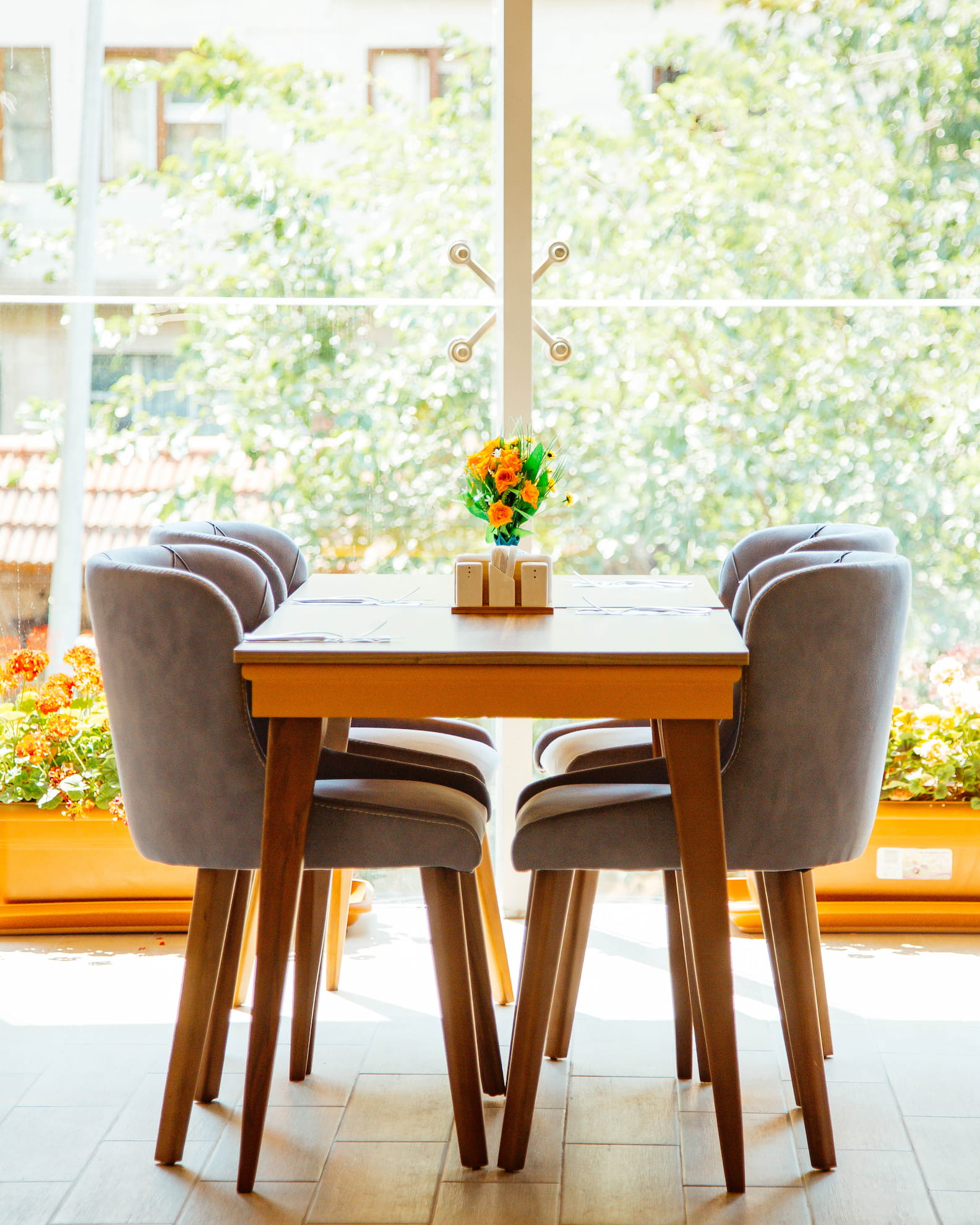

Moving a dining table can present some challenges. Most of the weight is concentrated in the tabletop, making the table awkward to carry and difficult to maneuver through narrow hallways. The tabletop and corners often get damaged during the move. Wood, veneer, glass, or stone can easily get scratched, chipped, or cracked if they hit walls, doors, or other objects. The legs and fasteners can also be damaged if the table is moved while assembled. Most damage occurs not during transit, but specifically during removal and loading. Therefore, it is best to disassemble the table before transport and protect all parts well with plastic wrap, cardboard, and soft materials. Proper preparation is the key to safely pack a dining room table for moving without scratches or structural damage, whether you’re working with local movers or planning a long-distance relocation.
Tools and Packing Materials You’ll Need
Before packing, you need to gather the necessary materials; failing to do so could result in scratches and chips. The foundation of protection is moving blankets: they shield large surfaces, but must be secured with stretch wrap to prevent them from shifting. For more vulnerable parts, which usually include legs, corners, and glass, use bubble wrap. We recommend using several layers along the edges. You can also use cardboard (or corner protectors) to shield the edges and corners from impacts.
Stretch film holds everything in place and doesn’t damage the surface (unlike tape). Only apply tape over protective layers — never directly on the furniture.
Place small parts—usually bolts and screws—into bags and attach them, for example, to the underside of the table so they don’t get lost. You will also need a screwdriver, a wrench, or an Allen wrench.
If you don’t have professional supplies, you can still pack a dining table effectively using household items. Towels, blankets, or thick clothing can replace moving blankets, while sturdy boxes or layered cardboard can protect edges and corners.
How to Pack a Dining Table for Moving: Step-by-Step
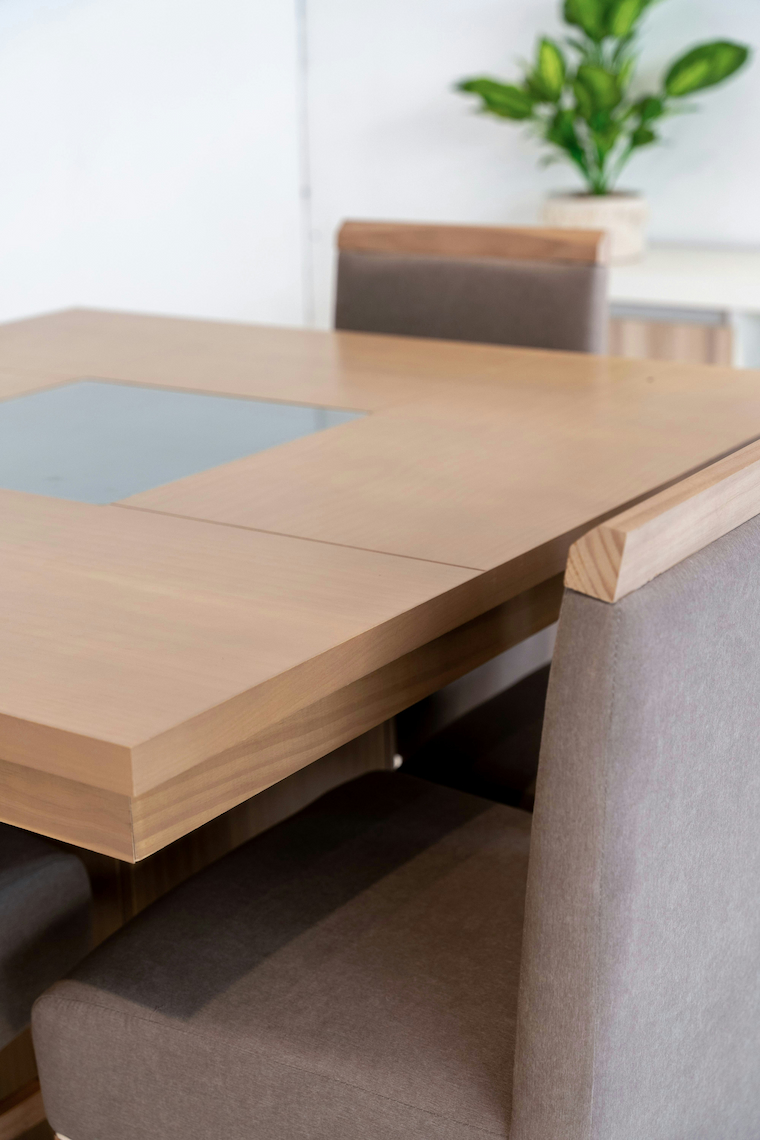
Step 1: Preparation
Before packing the table, you must clean and thoroughly dry it to prevent dust or moisture trapped inside the packaging from scratching or damaging the surface. Wood tables are especially sensitive to trapped moisture.
Step 2: Disassembly
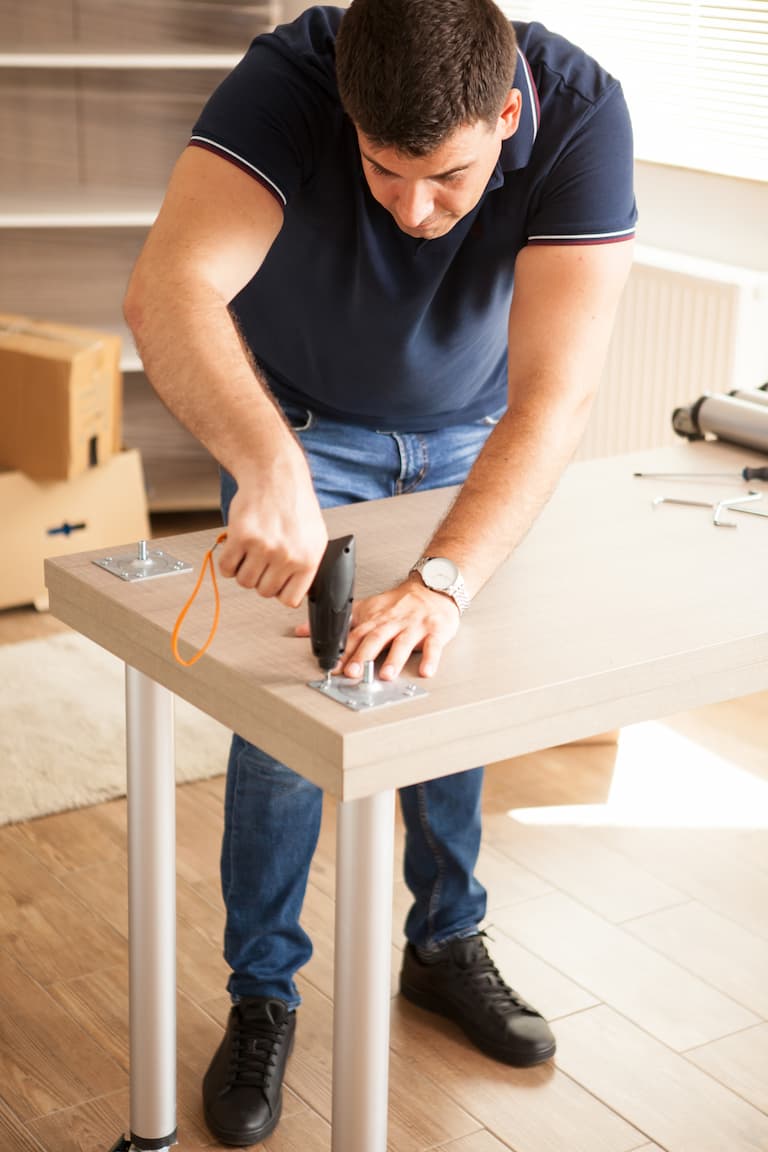
Remove the legs, inserts, and glass elements. Use the necessary tools. If a part won’t come loose easily, don’t force it. In the worst case, a stuck part can cause cracks in the joints or damage to the structure.
Pro tip: Place all screws and fasteners in a labeled bag and securely tape it to the underside of the tabletop so nothing gets lost.
Step 3: Protecting Vulnerable Areas
Before packing the table, first protect the corners and edges, which chip easily and are most likely to take a beating. Use cardboard or padding to reinforce these areas and better protect a dining table during a move.
Step 4: Packing the Tabletop
- Wood/veneer: Cover with furniture blankets, then secure with stretch wrap to prevent the packaging from shifting.
- Glass: wrap in bubble wrap and always transport vertically. Under no circumstances should glass be transported horizontally.
- Stone/marble: thick protection + additional cushioning, as these materials can crack under pressure.
Step 5: Packing the Parts
Each leg and removable part should be wrapped separately in bubble wrap or furniture blankets. After wrapping, stack the parts carefully to avoid scratches or dents. Try to keep all elements together and in order.
Step 6: Securing for transport
Place the tabletop vertically or flush against a sturdy wall inside the truck and secure it with straps or soft padding so it doesn’t shift while in motion. Do not screw the legs back on before loading—the extra weight increases the risk of them breaking during handling and transport.
Common Mistakes to Avoid When Moving a Dining Table
More often than not, tables get damaged not because of the complexity of the move, but due to improper packing or minor mistakes during disassembly, carrying, and loading.
To save time, we often see tables being transported fully assembled, which puts extra strain on the legs and joints. Be sure to disassemble them to avoid damage.
Many people also underestimate the importance of protecting corners and edges. These are the parts most prone to chipping. Reinforce them with cardboard or padding before the move.
Using wrong materials usually leads to problems as well. Thin packing film or loosely secured blankets won’t withstand the strain during transport. Proper protection involves combining moving blankets for large surfaces with bubble wrap for vulnerable areas, all of which must be securely fastened with stretch wrap.
Do not apply tape directly to wood or finished surfaces. Tape can leave marks or even peel off the finish when removed. It should always be applied over protective layers, such as blankets, cardboard, or plastic wrap.
Damage often occurs inside the truck as well, due to overloading. Placing heavy objects on the table or right next to it can lead to pressure damage, dents, or even structural failure. A separate, protected space should be designated for the table, where no pressure is applied.
Even if everything is packed correctly, don’t forget to secure the table thoroughly during transport, making it as stable as possible.
Pro Tips from Movers for Moving a Dining Table Safely
Packing your dining table properly before a move is only half the battle. Moving a dining table safely also depends on how you carry, load, and secure it during transport. How you actually carry and load the table is just as important. You should first assess whether you can handle it on your own. If you have a heavy, large, or valuable table, it’s best to call in the professionals. At WellKnown Moving, we offer packing services and can handle items of any complexity.
Before lifting the table, plan your route in advance. Measure all doorways, remove any obstacles, and figure out how you’ll navigate turns. Be especially careful when working in tight spaces. That’s why it’s a good idea to disassemble the table to avoid bumping it against walls.
We don’t recommend moving a dining table by yourself. The table is bulky and its weight is unevenly distributed, so at least two people should carry it. For glass and stone tabletops, positioning is especially important—they must be carried and transported vertically, with proper protection. A horizontal position increases pressure and the risk of cracks. Professionals use not only strength but also equipment—dolly carts, straps, and padding—which help better control the process and reduce the load.
You can find more tips and other guides on our blog.
Special Cases: Glass, Antique, Heavy, and Non-Removable Dining Tables
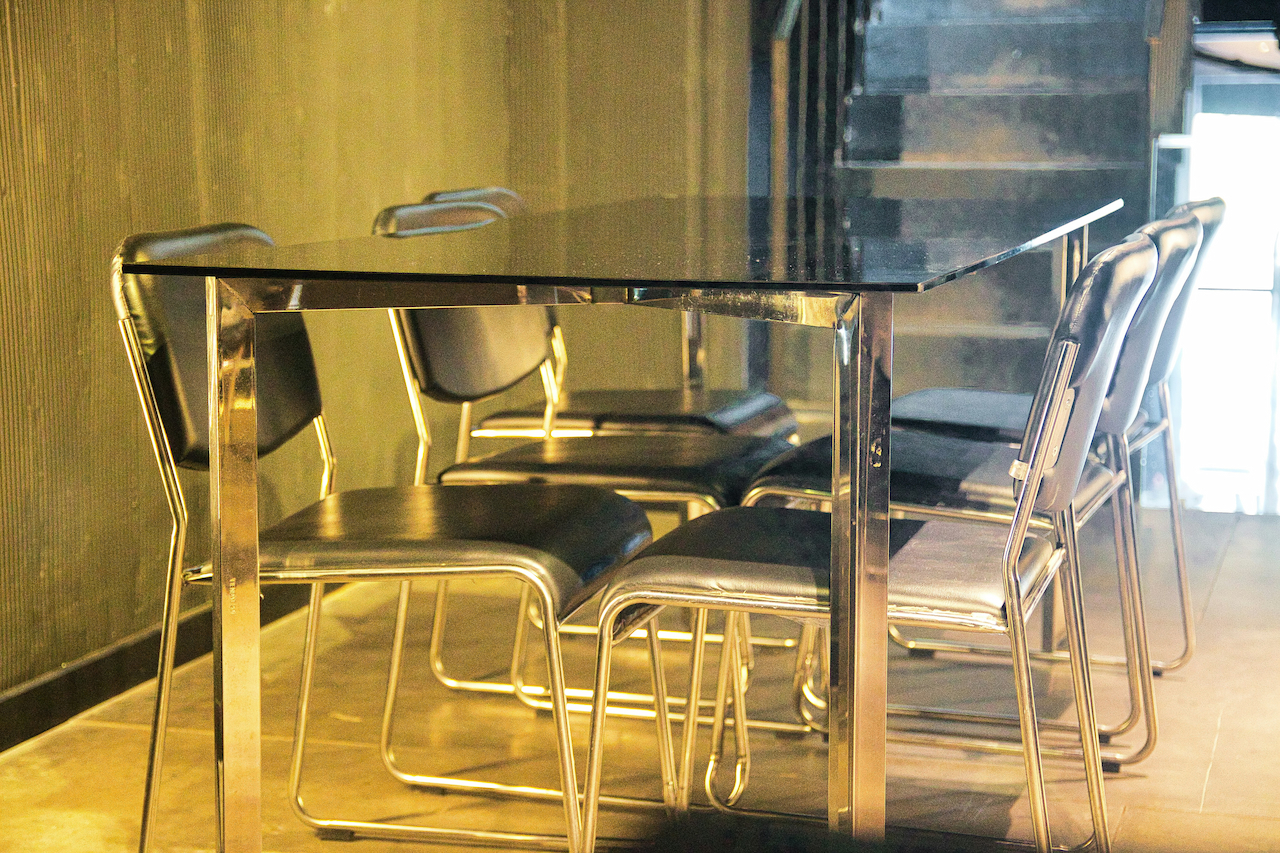
Not all dining tables can be packed the same way—the material, size, and construction directly affect how they are transported. For example, if you have a glass table, the glass can crack not only from impact but also from pressure or vibration. The tabletop must be removed, packed separately (moving blankets + bubble wrap), and transported strictly vertically—a horizontal position increases the risk of cracks even without impact.
Antique and valuable tables should be entrusted to professionals. They are vulnerable not only to damage but also to loss of value. Only soft materials should be used, and contact between tape and the surface should be avoided. Additionally, decorative elements should be protected if present.
Heavy tables (made of solid wood or stone) are dangerous due to their weight. Under no circumstances should you move them alone. It is also advisable to have the necessary equipment, so you should consider hiring professional movers. Most damage typically occurs during handling, not during transit.
Tables with non-removable legs are more difficult to transport because they cannot be disassembled. Each leg must be carefully packed and protected, and movement must be slow and controlled, without excessive strain on the joints.
How to Load a Dining Table in a Moving Truck Safely
When transporting a dining table, you should also pay attention to how the table is positioned in the truck. Even a well-packed table can be damaged if it shifts, is subjected to pressure, or is improperly secured.
Stability is crucial for the tabletop. It’s best to place it vertically against the side of the truck, where it’s easier to secure it properly and where there’s less risk of warping. This is especially important for glass and stone tabletops. When placed horizontally, they are more likely to crack due to pressure and vibrations.
It may sound obvious, but you should never use the table as a support for other items, even if it looks sturdy. The table needs its own protected space, and additional weight on top can lead to cracks and warping.
It’s important to distribute the weight in the truck. Heavy items should be placed as far away from the table as possible; lighter items can be placed nearby, but they must also be securely fastened so they don’t press down on the table. Be sure to secure the table with straps or fasteners after loading so that it does not move or vibrate. Add soft padding to areas where contact is likely—this reduces friction and the risk of impact.
All parts (legs, leaves, and hardware) should be kept together, next to the table, but securely fastened so they do not shift.
Knowing how to pack a dining table for moving can help prevent scratches, broken legs, chipped corners, and costly repairs. With proper disassembly, protective materials, and careful loading, you can transport your table safely and avoid unnecessary damage during the move.