


Updated: March 25, 2026
Moving to Boston could be a good choice, as the city offers a high standard of living and ample career opportunities. However, the move itself requires careful planning. It’s important to look for a place to live in advance, as the rental market in Boston is highly competitive. It’s best to start looking for housing 1–2 months before the move, and even earlier during peak periods (summer and the start of the school year). Rental and home prices in Boston vary significantly from neighborhood to neighborhood.
Organizing the move itself is just as important. If you’re moving from another state, it’s best to hire a professional moving company to help with packing, transportation, and insurance for your belongings. You’ll also need to plan the logistics. It will be important to arrange for utility connections, vehicle registration (if you are bringing your car to Massachusetts), and updating your documents.
When moving, it’s worth considering the weather conditions. Winters in Boston can be harsh, so moving during the cold season may require more effort and time.
Returning to Boston’s advantages, the job market is one of its key strengths, supported by leading universities that foster innovation and provide companies with talented graduates. Boston attracts professionals, students, families, and remote workers thanks to high salaries, career prospects, and access to quality education. The median household income can exceed $100,000, and in leading industries such as biotechnology or finance, it can be even higher.
Cost of Living in Boston
Boston consistently ranks among the most expensive cities in the U.S. If you’re planning to move to Boston, keep in mind that the cost of living here can be 40–50% higher than the national average. Housing accounts for the largest portion of monthly expenses here. Demand for housing is very high. Renting a studio apartment in Boston will cost an average of $2,300–$2,400 per month, a one-bedroom apartment $2,600–$3,000, and a two-bedroom apartment $3,400–$3,700. But keep in mind that Boston is a large city, and rental prices can vary significantly from neighborhood to neighborhood. If you want to save money, we’ve prepared a separate article highlighting neighborhoods where you can find more affordable housing.
The rental market is very competitive; apartments here can be rented out in just a few days, so start looking for housing in advance—perhaps a month or even several months ahead of time. As part of that research, you may want to review available Boston housing options alongside neighborhood, commute, and monthly cost considerations.
Historic buildings are widespread in the city—brownstones and triple-deckers converted into apartments. They look attractive, but if you move into one, keep in mind that the buildings are old and may have radiator heating, no central air conditioning, or shared laundry facilities.
At the same time, modern residential complexes are being built in the city, particularly in the Seaport District, South Boston, as well as in Somerville and Cambridge. These complexes offer a higher level of comfort and may already feature fitness centers, rooftop terraces, and coworking spaces, but renting an apartment in such complexes will be more expensive. Keep in mind that when moving into a rental apartment in Boston, you are typically required to pay the first and last months’ rent, a security deposit (usually equal to one month’s rent), and a broker’s commission (up to one month’s rent).
Boston also has a unique feature: due to the city’s popularity among students, there is a September rental cycle around September 1, known as “Allston Christmas.” A large number of leases begin at this time, which is why demand for moving services increases.
In addition to rent, you should also factor in other monthly expenses. If you rent a studio apartment, utilities—which include electricity, heating, and water—will cost you $180–$260. A public transportation pass (MBTA) will cost about $90, and you should budget $350–$500 for groceries.
The real estate market remains extremely competitive. If you plan to buy a home, prices are steadily rising and demand remains consistently high. As of early 2026, the median home price is around $780,000–$860,000. The choice of neighborhood is also important here; apartments predominate in the city center, while single-family homes are more common in the suburbs.
The Best Neighborhoods in Boston
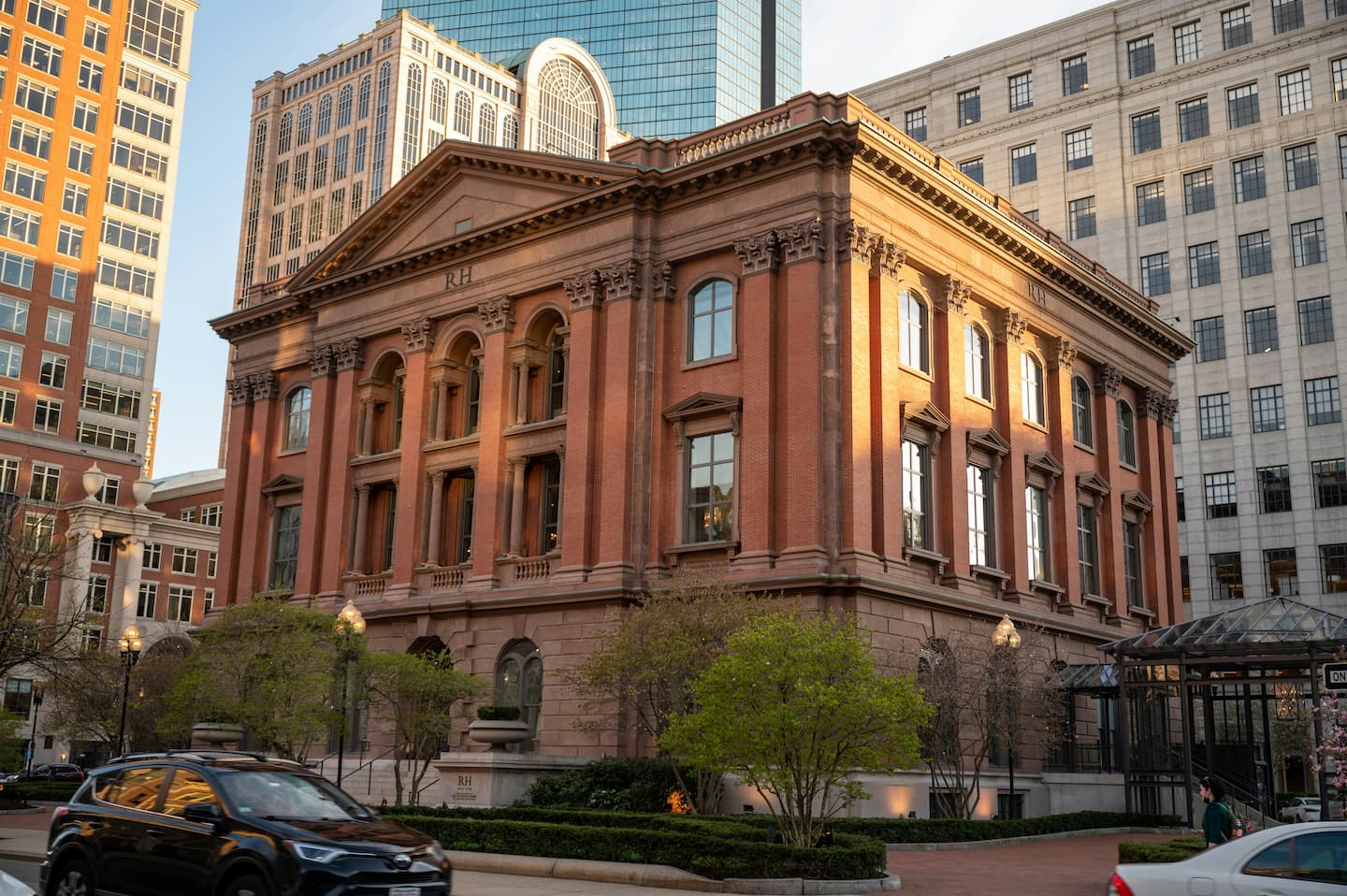
Back Bay is one of the most prestigious neighborhoods in Boston. Renting a one-bedroom apartment here will cost you approximately $4,100+ per month. The neighborhood has excellent public transportation, and its proximity to downtown makes it a great place to walk around. This neighborhood is worth considering if you’re a working professional.
South End is home to many young professionals. The neighborhood is located next to Back Bay and is also close to downtown. Public transportation runs reliably here, and rent will cost you $3,400–$4,000+. There are many good restaurants in this neighborhood; you’ll find cozy streets lined with townhouses, and overall, there’s a creative atmosphere here.
Fenway is a great option for students and young professionals. It offers convenient access to the Green Line, and rent here ranges from about $2,700 to $3,400+. If you’re a baseball fan, this is home to the oldest MLB stadium, where you can watch the Red Sox play. Overall, the neighborhood has plenty of entertainment and nightlife.
Jamaica Plain is better suited for families and those looking for a balance between city life and nature. It’s generally a quieter neighborhood with access to the Orange Line, making it easy to get to downtown. There’s plenty of greenery, parks, and walking paths around the pond, making the area very pleasant for walks.
Cambridge is a college town near Boston, but it is effectively part of the metropolitan area. Cambridge has good public transportation, served by the Red Line, and the city is popular not only with students but also among IT professionals. The top-tier universities located here need no introduction. Cambridge is a pleasant place to walk; there are many parks, bars, and restaurants here.
Somerville is a more affordable neighborhood, where renting a one-bedroom apartment will cost you approximately $2,500–$3,100+. Nevertheless, the area is developing rapidly, with a vibrant culinary and cultural scene, and it’s convenient to get to downtown from here.
Transportation in Boston
The backbone of Boston’s public transportation system is the MBTA (Massachusetts Bay Transportation Authority), which locals refer to as “The T.” Boston’s public transportation system includes the subway, buses, commuter trains, and ferries. The subway system is very convenient, so we recommend looking for housing located closer to the subway lines. The subway consists of four lines: the Red Line connects Cambridge and downtown, the Green Line runs through the university districts, the Orange Line runs from south to north through the city, and the Blue Line connects downtown with the airport.
For trips from the suburbs, commuter rail is used, running to and from Boston; the trip usually takes 30 to 60 minutes. Public transportation is relatively inexpensive: a single ride costs about $2.40, and a monthly pass is approximately $90.
Driving in Boston is possible but not very convenient. The city has an old layout, so there are many narrow and winding streets. Heavy traffic during rush hour, one-way streets, expensive parking in the center, and a general shortage of parking spaces create additional challenges.
If you do plan to drive, keep in mind that many neighborhoods require a special permit for street parking (resident permit). Without it, only temporary or paid parking is available. Rules vary by neighborhood, and parking is particularly limited in densely populated areas (Back Bay, South End, Fenway).
The Job Market and Major Industries in Boston
Boston attracts professionals from around the world thanks to its strong economy and robust job market. The city is home to a large number of high-tech companies, major financial institutions, and research organizations that draw professionals not only from the United States but from all over the world.
Boston is home to a large number of pharmaceutical companies and research laboratories. Global leaders in biotechnology and life sciences, such as Biogen and Moderna, operate here. The roots of this sector’s development date back to the mid-20th century, and Massachusetts eventually became the “biotechnology leader” of the United States. Today, more than 100,000 people are employed in this sector in Boston.
The healthcare sector is no less significant; some of the world’s best medical institutions are located here, including Massachusetts General Hospital, Brigham and Women’s Hospital, and Boston Children’s Hospital. Boston boasts not only the highest level of healthcare but also the highest research potential. Five of Boston’s ten largest employers are hospitals.
Boston is also known as the educational capital of the United States. It is home to some of the world’s leading universities, including Harvard, MIT, and Boston University. These top-tier universities attract students from all over the world, who can go on to contribute to the city’s economic and research potential. The caliber of Harvard University, for example, is best illustrated by the fact that the university has produced more than 150 Nobel laureates.
The financial sector and consulting also play a significant role in Boston’s economy. Boston competes with New York for leadership in the financial sector. Major companies such as Fidelity Investments, State Street, and the Boston Consulting Group are based here. Overall, the fintech industry is growing rapidly in Boston. It is also home to Circle, one of the world’s leading crypto companies.
The high level of development in these industries directly impacts incomes. Salaries in Boston are above the U.S. average: the median household income is approximately $95,000–$100,000 per year, and in leading sectors, it can be significantly higher. But keep in mind that competition here is very fierce; high salaries attract the very best professionals.
Schools and Universities in Boston
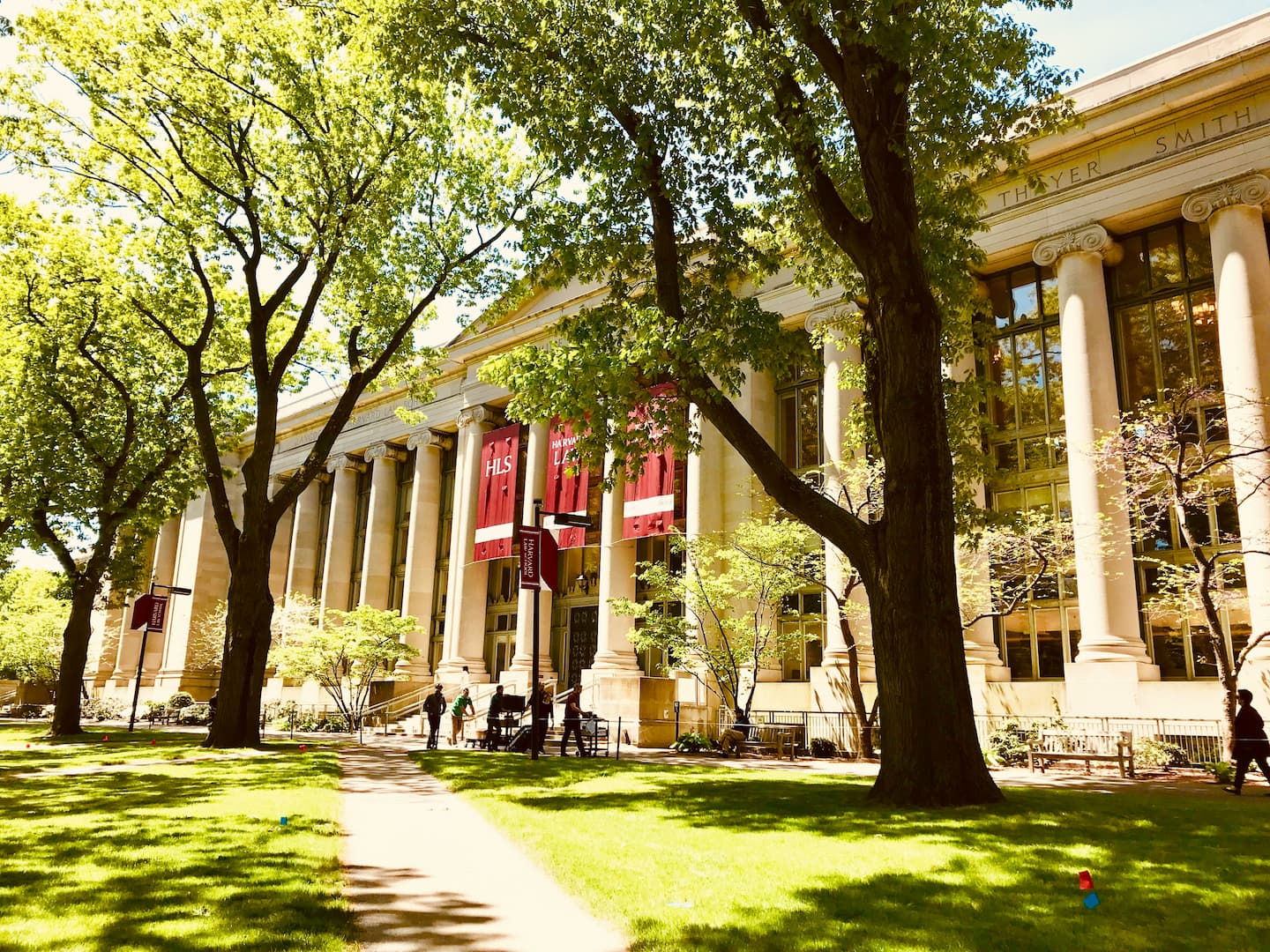
We’ve already mentioned that education makes a significant contribution to the city’s economy. Boston rightfully bears the title of the nation’s educational capital, as it is home to more than 50 colleges and universities, some of which are among the best in the world. Moreover, Boston boasts not only excellent universities but also equally strong public and private schools offering education from elementary through higher education.
Public Schools
The Boston Public Schools system includes elementary, middle, and high schools, as well as specialized programs, including exam-based and magnet schools. Among the most well-known are Boston Latin School (one of the oldest schools in the U.S.), Boston Latin Academy, and John D. O’Bryant School of Mathematics and Science.
Private Schools
Boston is also home to prestigious private schools with excellent reputations. They typically offer small class sizes, specialized programs, and a wide range of extracurricular activities. Examples include The Winsor School, Buckingham Browne & Nichols School, and Roxbury Latin School.
Universities and Higher Education
Despite its strong public schools, Boston’s reputation is largely built on its universities. The academic environment shapes the region’s intellectual potential. The city is home to elite institutions such as Harvard University, MIT, Boston University, Northeastern University, and Tufts University. These universities attract students and faculty from around the world and make a significant contribution to the city’s economy through research, technological development, and the creation of startups.
Lifestyle and Culture in Boston
Boston is a charming historic city with distinct seasons, featuring cold winters and warm summers. When planning your move, it’s important to consider the weather conditions; for example, if you’re moving in the winter, the process may be a bit more challenging.
The city itself is great for walking. Boston has many parks and waterfronts, and it’s quite easy to get out of the city to enjoy nature. Many residents spend their weekends outside the city or at the coast.
The neighborhoods here vary, and each has its own character. Back Bay offers a historic atmosphere, while the South End is more creative. Cambridge is more academic; overall, everyone here can find a comfortable place to live that suits their lifestyle.
How to Choose a Moving Company in Boston
If you’ve decided to hire a moving company, don’t just go for the cheapest option right away—it’s better to compare several quotes.
Check the company: it should have all the necessary licenses and insurance, especially if you’re moving from another state. Be sure to read reviews—they’ll help you understand how the company operates in practice.
Request quotes from several companies to compare prices. It’s important to clarify in advance what’s included in the cost. Some movers charge extra for carrying items up stairs, long-distance hauling, or parking difficulties.
WellKnown Moving does not charge hidden fees and offers fixed rates for long-distance moves, and hourly rates for local moves.
It’s also important that the company knows the city well. Experienced movers are already familiar with narrow streets, older buildings, and know how to obtain parking permits.
The cost of moving to Boston depends on the distance and the volume of belongings. On average, a local move costs anywhere from a few hundred to a few thousand dollars, while a long-distance move starts at a few thousand dollars and up. The final price depends on the volume of belongings, the time of year, and additional services such as packing or storage.
Moving with Professional Movers or DIY Move
When planning a move to Boston, you’re often faced with a choice: hire professionals or move on your own.
If you want to save yourself the effort and avoid unnecessary stress, it’s best to hire professionals. This will save you time and energy: the movers will handle carrying heavy items, packing, and transportation. As previously noted, it’s best to book your move in advance.
DIY move is cheaper and gives you full control over the process, but it requires much more effort. It’s advisable to enlist the help of friends or family. Keep in mind, however, that navigating Boston can be difficult, especially if you’re unfamiliar with the city.
Generally, in a city like Boston, many people believe that professional moving services are worth the money. Traffic, parking restrictions, and older buildings often make moving on your own more difficult than it seems.
Moving to Boston: Logistics and Timeline
If you’re planning to move to Boston, we recommend starting your preparations well in advance. The housing market here is fast-paced, so it’s important to start looking for a place to live early.
It’s best to start your housing search 2–3 months before the move. Good housing in the city goes fast, so start looking at neighborhoods based on your budget and transportation options. You can also choose a neighborhood based on your lifestyle. Two months before the move, you should decide how you’ll handle the move: with a moving company or DIY. Start looking for a moving company around this time if you’ve decided to move with the help of professionals.
Book the movers a month before the move, especially if you’re moving during the peak season for moving companies at the end of summer. It’s also a good idea to have your new place lined up by this time so you can start setting up electricity, internet, and other utilities.
In the final week before the move, it’s important to tie up loose ends. Coordinate the move with the building management company and pack your belongings. If you have a lot of items, you can sell or donate those that aren’t essential. When packing, it’s best to label the boxes and keep everything you’ll need for the first few days within easy reach.
Your First 30 Days in Boston
The first month after moving is usually the hardest. During the first week, focus on the basics: unpack your belongings, set up your internet and utilities. Get your bearings—find the nearest stores and figure out the public transportation system.
During the second week, try out your route to work or school and study the transit schedule. Find a couple of favorite cafes and take a walk around the city to figure out where you feel most comfortable.
Then you can start settling in: get your living space organized, go for more walks, visit interesting places, and even take trips outside the city. Try going to bars or events—this will help you meet people.
Usually, within the first month, the city starts to feel more familiar, you find your favorite spots, and you begin to feel at home.