


Updated: July 05, 2026
If you're considering a move to Washington, D.C., whether it's for a new job, school, or just a change of scenery, it's important to know the key points ahead of time. Many factors influence decisions here: high rent prices, metro features, neighborhood ambiance, and even fickle weather. This brief material will help you prepare and avoid unnecessary worries.
We've already helped thousands of people move in Washington, whether they're traveling from the other side of the country or just changing apartments nearby. Based on these experiences, we've compiled useful information about housing, jobs, schools, safety, transportation, and other things to consider ahead of time.
How Much it Costs to Live in Washington, D.C.
Living in Washington, D.C. is a special experience, and it's important to understand how much it can cost. Here are the key numbers as of June 2026.
Rental Prices.
According to RentCafe the average rent across the city is about $2,476 per month. But a lot depends on the neighborhood - prices can vary by many times.
Average Monthly Rent by Neighborhood:
| Neighborhood | Average Rent |
|---|---|
| West End | $3,996 |
| Penn Quarter | $3,578 |
| Capitol Hill | $3,085 |
| McLean Gardens | $2,912 |
| Navy Yard | $2,795 |
| Fairlawn | $1,441 |
| Randle Highlands | $1,340 |
What $2,000/Month Gets You:
| Neighborhood | Approximate Unit Type |
|---|---|
| Adams Morgan | Usually a studio or smaller below-average one-bedroom |
| Columbia Heights | Studio or modest one-bedroom, depending on the building |
| Petworth | One-bedroom apartment; some two-bedroom options may be available |
| Congress Heights | One-bedroom apartment; two-bedroom options are more realistic than in central neighborhoods |
Note: Prices are averages and can fluctuate based on specific locations and amenities.
Utilities, Groceries, and Taxes in Washington, D.C.
In addition to rent, utilities in Washington, DC can have a serious impact on your monthly expenses. As of 2026, utility costs in the city are about 3% higher than the national average. Energy bills average around $231 per month, while phone and telecommunications costs are about $195 per month. This ends up costing about $426 per month for basic services. If the apartment is large or more electricity is used during cold or hot seasons, the amount can be higher.
Groceries in Washington, D.C. are also more expensive than in many parts of the country, but the gap is smaller than in previous estimates. In 2026, grocery prices are about 5% higher than the national average. For example, a gallon of milk can cost about $4.77, a loaf of bread about $4.22, a dozen eggs $4.83, and a pound of steak almost $17. These examples show that every day shopping is more expensive here.
Taxes are another important factor. Washington, D.C. has a general sales tax of 6% on most taxable goods and services through September 30, 2026. Beginning October 1, 2026, the general sales tax rate increases to 7%. Some categories are taxed at higher rates, including restaurant meals, prepared food, hotel stays, and certain vehicle-related charges.
Property taxes in Washington, D.C. are moderate compared with many other expensive housing markets. Residential real property is generally taxed at $0.85 per $100 of assessed value. Income tax is more complicated because D.C. uses graduated rates. Depending on taxable income, individual income tax rates range from 4% to 10.75%.
Where to Live in the Washington, D.C. Area: An Overview of Neighborhoods and Suburbs
AgnosticPreachersKid, CC BY-SA 3.0, via Wikimedia Commons
.JPG)
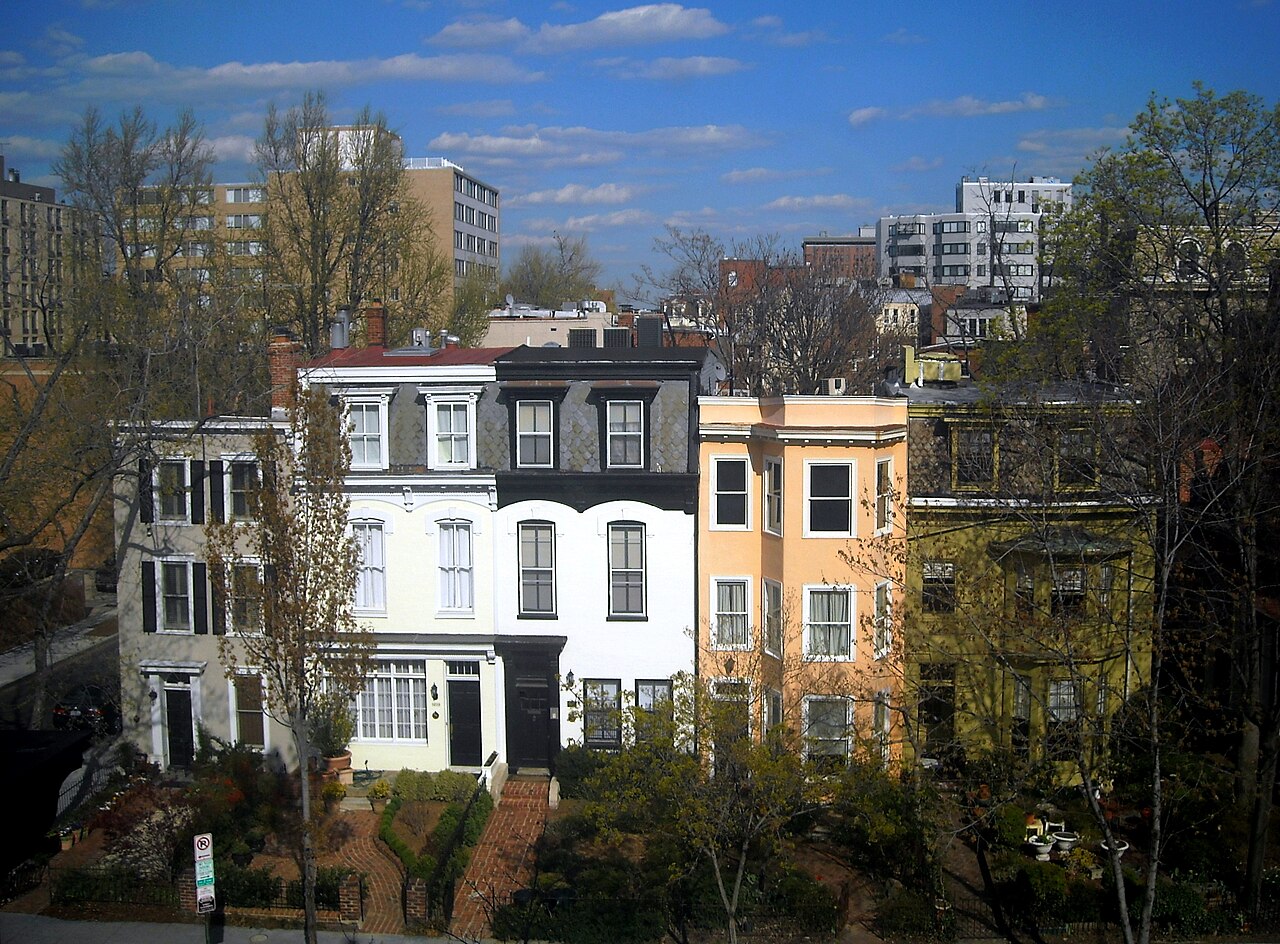
Washington, D.C. is a compact city, but with a wide variety of places to live. The District is divided into four quadrants – Northwest, Northeast, Southwest, and Southeast– and eight wards, but its neighborhoods are much more varied than the official map suggests. Nearby suburbs in Maryland and Virginia are quieter, more spacious and often closer to good schools.
If you like an active lifestyle and evening walks, U Street, Adams Morgan, and Dupont Circle would be a good fit. U Street is known for bars and concert venues. Adams Morgan is for cafes, international cuisine and nightlife. Dupont Circle is cozy, with galleries and bookstores. In 2026, one-bedroom apartments in these areas commonly fall in the mid-$2,000s. Walking distance is convenient, the level of safety is average. These places are more often chosen by young and creative people.
Capitol Hill, Takoma Park, and Chevy Chase are good for families. Capitol Hill has old houses, markets and subways nearby. Takoma Park and Chevy Chase are in Maryland, but it's an easy drive to the center. It's quieter, has more greenery and good schools. Rent for a one-bedroom apartment ranges from $2,400 to $3,000. These neighborhoods are often chosen by parents with children and teachers.
If transportation is important, look at Rosslyn, Silver Spring and Columbia Heights. Rosslyn has many newer homes and subway lines run close by. Silver Spring is quieter, but also has a convenient subway. Columbia Heights is a lively neighborhood with good connectivity. These areas are good choices for renters who work downtown but do not necessarily want to live in the most expensive central neighborhoods.
In U Street and Adams Morgan, the road to downtown takes 10-20 minutes. In Capitol Hill - up to 20 minutes. From Takoma Park - up to 35. At Rosslyn, it's about 15. From Silver Spring - 20-30. Columbia Heights is 15-25. Congress Heights is the most budget-friendly option, but the drive is longer and the neighborhood is less safe.
Bonus: How to understand D.C.'s quadrants and wards.
Washington, D.C. is divided into four quadrants: NW (northwest), NE (northeast), SW (southwest), and SE (southeast) - all of which converge at a point near the Capitol. The city is also divided into eight wards, which determine things like school zones, local government, and zoning. Be sure to check addresses carefully: 14th St. NW and 14th St. SE are completely different districts.
Jobs in Washington, D.C. (2026)
Many people are moving to D.C. for a career. In 2026, the city still offers many opportunities, especially in government, law, technology, medicine, and consulting. The median salary here is $76,908.
Major Areas of Employment
Federal agencies are some of the largest employers. Specialists in management, international affairs, politics, and security are in demand. U.S. citizenship and security clearance are often required. Law is one of the top fields in the capital city. There are many law firms and organizations that need lawyers and paralegals. Technology and cybersecurity are booming thanks to companies like Amazon, Google, and Microsoft. Most jobs are related to the needs of government agencies.
Medicine is a stable industry. Jobs are offered by large hospitals and agencies like the NIH. Consulting is a strength of the region. Deloitte, Booz Allen Hamilton and other companies are looking for analysts and managers, especially with security clearances. Tourism and events are picking up again. Jobs are opening up at hotels, restaurants and event venues.
Examples of median salaries in Washington, D.C. include:
- Software Engineer — about $132,000Data Scientist — about $142,500Program Manager — about $100,000Paralegal — about $59,900
Where to look for jobs
- USAJobs.gov - federal jobs
- DC.gov Careers - local jobs
- Indeed - offers from private companies
- Builtin.com - IT jobs
- LinkedIn Jobs - job search and networking
Transportation and Commuting to Work in Washington, DC
Han Zheng, CC BY-SA 2.0, via Wikimedia Commons
Thinking about whether you need a car in D.C.? Probably not. Washington, D.C. is one of the most convenient cities for walking and taking the Metro. But daily commutes can be tedious if you don't think things through in advance. It all depends on where you live and work: roads, subways, parking lots and bridges - every factor can have an impact.
Metro is the main transit option
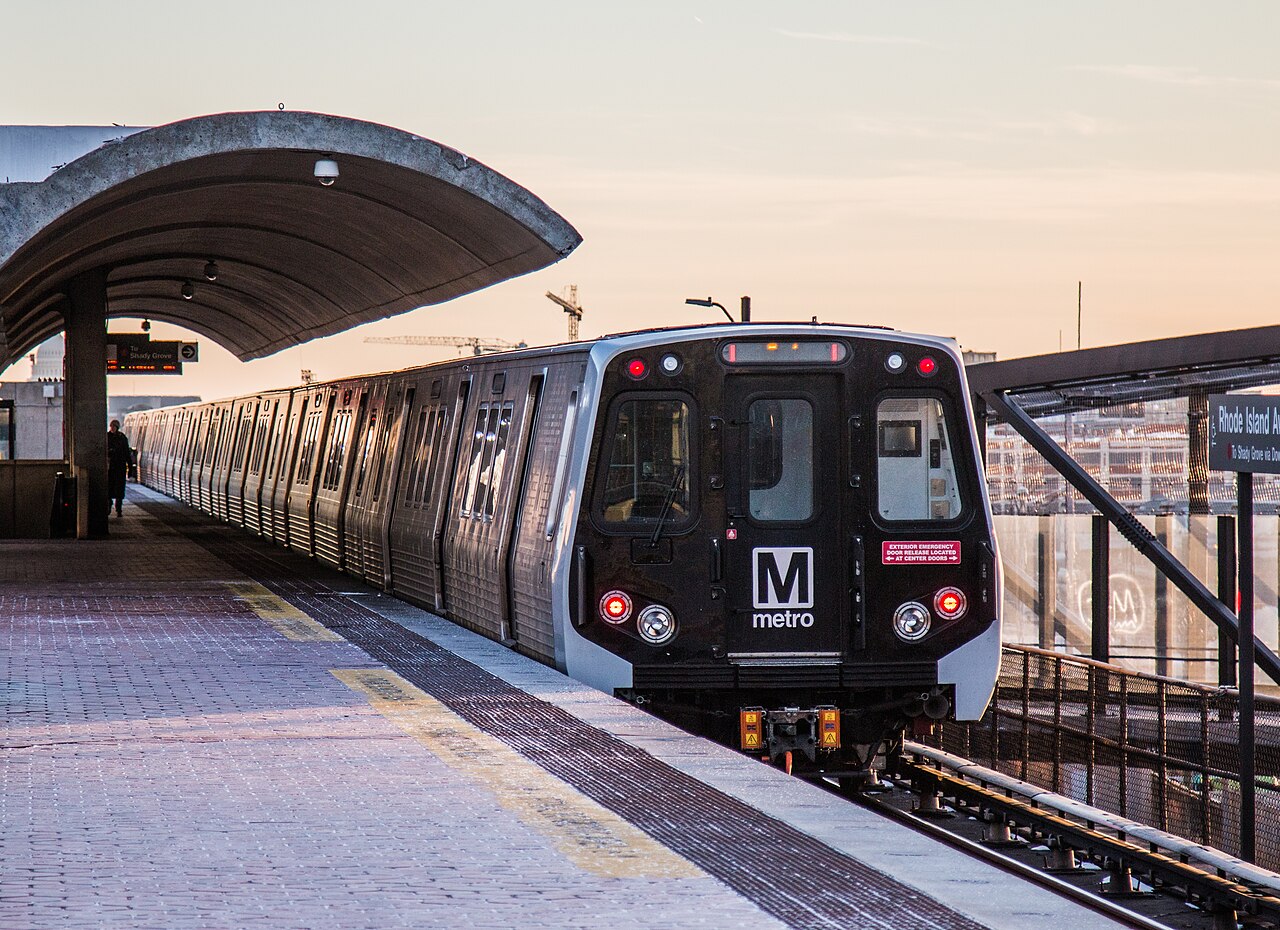
Metro, operated by WMATA, connects D.C to Virginia and Maryland. There are a total of six lines, Red, Blue, Orange, Silver, Green, and Yellow. The subway is clean, runs steadily, and can be used to get to most neighborhoods and offices with no or one transfer. The price of a ride depends on time and distance, ranging from $2.25 to $6.75. Evening and weekend rides are usually cheaper, with most trips costing $2.50 or less. Metrobus fares are generally $2.25, while express bus routes cost more. The easiest way to pay is with a SmarTrip card or the SmarTrip app, which works for both Metrorail and Metrobus.
If you're looking for lodging, look for neighborhoods near Red or Orange Line stations - these lines run through the business parts of the city and operate more frequently than others.
Driving and parking in D.C.
The streets in the city are narrow, with many one-way streets, and the driving is nervous. Traffic jams are frequent, especially in the morning and evening. During rush hours, even a short trip can take 45 minutes. The bridges connecting downtown to Northern Virginia are often congested, too.
If you plan to keep a car, budget for gas, insurance, parking, tolls, inspections, registration, and possible excise tax. D.C. no longer uses one simple flat vehicle excise tax rate for every car. The tax depends on the vehicle’s fair market value, weight, and fuel efficiency. If you will commute through Virginia, an E-ZPass can also be useful for toll roads and express lanes.
Bicycling is a good way to get around
There are plenty of bicycle lanes and convenient routes in the city. Capital Bikeshare gives you the opportunity to rent a bike for a short period of time or for a month. There are stations almost everywhere. Arlington, Silver Spring, and Columbia Heights neighborhoods are especially convenient for biking. There are good lanes and it's easy to transfer to the subway if you need to.
Safety and Crime in Washington, D.C. (2026)
When asked, “Is it safe to live in D.C.?” - the correct answer is: it depends on the neighborhood, the time of day, and your behavior. Like any large city, D.C. has both quiet neighborhoods and neighborhoods where you should be cautious. Sometimes two such neighborhoods can be right next to each other. The key is to know where you are going and what is going on there.
What's happening now with crime rates
In 2026, the violent crime rate in D.C. is down 3% from last year. The number of homicides is down by almost half from 2023. This was made possible by more proactive policing and community involvement.
However, D.C.'s overall crime index is still below the national average, according to NeighborhoodScout.
- Violent crime: about 10.05 cases per 1,000 people (U.S. average is about 4.0 per 1,000)
- Property crimes: about 36.93 cases per 1,000 people (national average is about 18 per 1,000).
This means that the city is still considered unsafe, but the problems are mostly concentrated in certain neighborhoods. Many residents just try to take simple precautions.
Which Neighborhoods are Calmer and Which Ones are Not
Some areas of D.C. are considered very calm. These include the northern part of Capitol Hill, Georgetown, Dupont Circle, Cleveland Park, and Tenleytown. There is low violence there, lots of pedestrians and police officers are visible. There are neighborhoods where things are improving. These are Columbia Heights, Petworth and Brookland. Renovation is underway there, and a lot depends on the particular neighborhood.
But the neighborhoods with higher crime rates are Anacostia, Congress Heights, Deanwood and Ivy City. There are still problems there, especially with violence. But these neighborhoods also have active residents who are trying to make life better. It's mostly quiet during the day, but it's best to be careful at night.
If you want to check how safe a neighborhood is:
- Check out the MPD Crime Cards website - you can search by street and neighborhood there
- The NeighborhoodScout website has interactive maps and data
Schools, Medical, and Everyday Things to do in Washington, DC
Exilexi, CC BY-SA 4.0, via Wikimedia Commons
Once you've chosen a neighborhood and decided on transportation, it's worth thinking about daily life - especially if you're moving with your family or planning to stay in the city for a long time. D.C. offers good schools, modern hospitals, and convenient city services to help you get used to your new place quickly.
Schools: Public and Private
Washington, D.C. has a large and varied school system. District of Columbia Public Schools (DCPS) serves more than 52,000 students across more than 100 schools, while public charter schools educate almost half of all public school students in the city. Because school quality, boundaries, and lottery access can vary, families should check the exact school assigned to an address before signing a lease.
Some of the best include:
- School Without Walls High School - gives good preparation for college
- Benjamin Banneker - strong science program
- Janney Elementary - good grades and parental involvement.
About half of the kids go to charter schools like DC Prep and Capital City PCS.
There are also private schools with strong reputations: Sidwell Friends (where presidents' children have attended), Georgetown Day, St. Albans, and National Cathedral School.
Medicine and Hospitals
There are many good hospitals and clinics in the city.
- MedStar Georgetown University Hospital - strong in oncology, transplantation and neurology
- Children's National Hospital - one of the top ten children's hospitals in the United States
- George Washington University Hospital - a large, centrally located hospital
- Howard University Hospital - with a long tradition and good reputation.
It is mandatory for D.C. residents to have health insurance. Many get it through the DC Health Link website.
The Department of Behavioral Health (DBH) is available for those seeking mental health care or who do not have insurance.
City Services: Documents, Bills, and Services
If you move to Washington, D.C. from another state, do not wait too long to update your documents. New residents generally have 60 calendar days to register a vehicle in D.C., and you must first convert your out-of-state driver’s license or ID through DC DMV. It is best to book a DMV appointment in advance and check which documents you need before you go.
Utilities are usually handled through several local providers:
- Pepco — electricityWashington Gas — natural gasDC Water — water and sewerXfinity, Verizon, and Starry — internet options in many areasDepartment of Public Works — trash, recycling, and some city services
Banks and Everyday Shopping
Washington, D.C. has branches of major banks such as Bank of America, Wells Fargo, Truist, Chase, and Capital One, as well as local credit unions. Grocery options include Giant, Safeway, Whole Foods, Harris Teeter, Trader Joe’s, Yes! Organic Market, MOM’s Organic Market, and smaller neighborhood stores.
Before moving, it is useful to check the nearest grocery store, pharmacy, urgent care clinic, bank branch, and post office. In D.C., daily convenience can change a lot from one block or Metro stop to another.
Culture and leisure
APK, CC BY 4.0, via Wikimedia Commons
Even those who have lived in Washington, D.C. for a long time continue to enjoy its top attractions. The Smithsonian Museums and the National Zoo are some of the most popular places, and admission is free. A walk around the National Mall is a must for anyone who wants to feel the spirit of the city, with memorials, the Capitol, and expansive green alleys. One local admitted that even five years after moving in, he still enjoys strolling through the area on the weekends. History buffs will appreciate the Library of Congress and Capitol tours - they're as interesting for their content as they are for their architecture.
Art, Music and Evening Plans
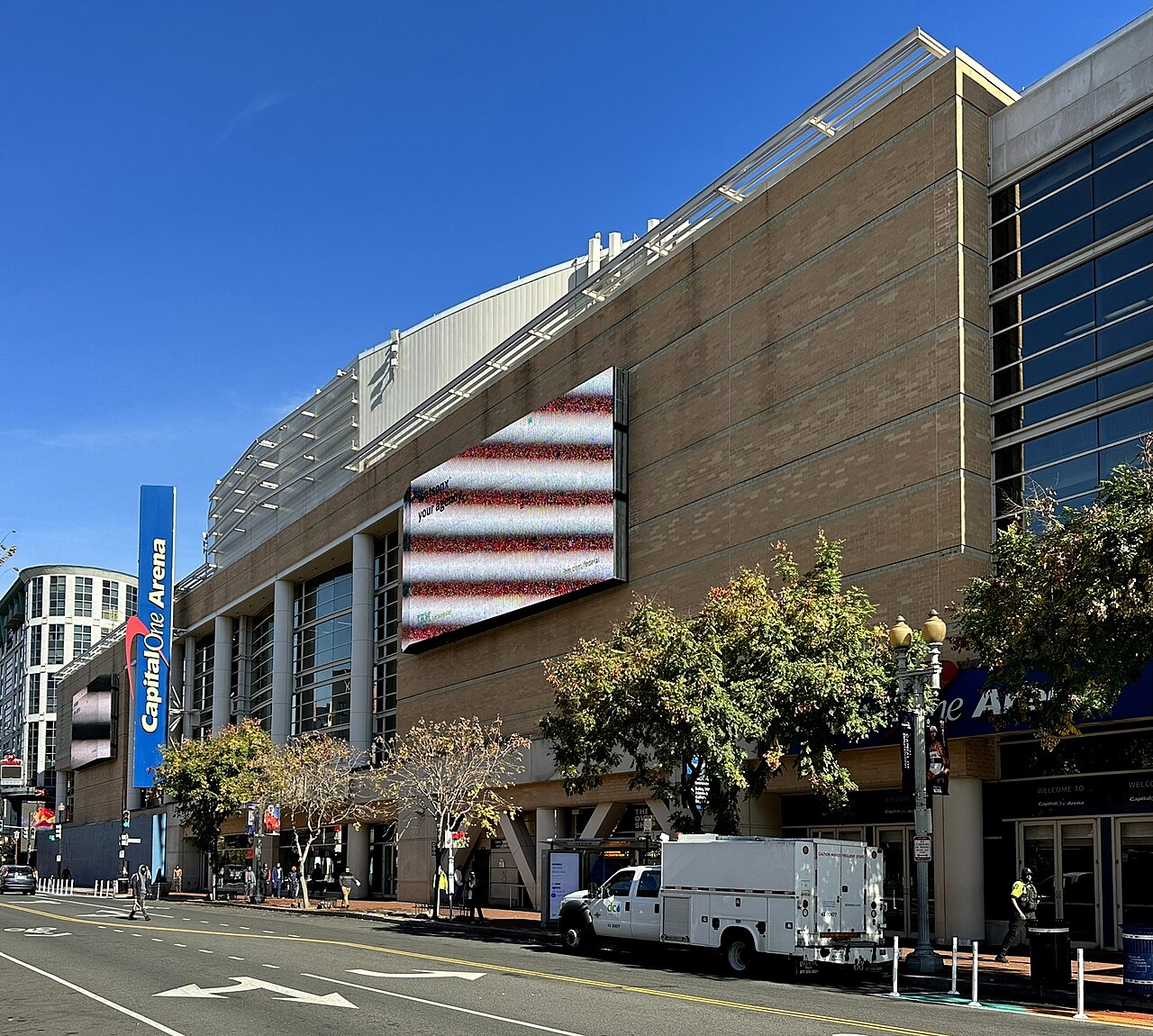
The creative life in Washington is vibrant and diverse, especially in the Shaw, U Street and H Street neighborhoods. There are concerts at well-known clubs such as the 9:30 Club, Songbyrd, and The Anthem. Arena Stage and Studio Theatre, as well as standup venue DC Improv, offer a packed playbill. Contemporary art fans should check out the Hirshhorn and Renwick museums, as well as independent galleries Transformer and Honfleur. Nightlife is varied too, with cocktail bars in Adams Morgan, rooftop lounges with panoramic views on U Street and pubs in Navy Yard for both a quiet evening and a party.
Food and Restaurants
Washington DC is famous for its delicious and diverse food. You can find high-end restaurants like Rose's Luxury, Maydan, and Pineapple and Pearls, as well as cozy places with cuisines from around the world. Ethiopian dishes are popular at Shaw, Salvadoran pupusas are popular in Mount Pleasant, and the Vietnamese Eden Center in Falls Church is where people come for traditional soups and street food. Local favorites like Ben's Chili Bowl, Founding Farmers and Maketto are also worth a try. For those who prefer a quick bite, there are food halls like Union Market and The Roost, where you can find everything from pizza to ramen.
Take a Walk in Nature
Washington DC is one of the greenest cities in the US. At Rock Creek Park, you can walk woodland trails, bike, play tennis or have a picnic. The Wharf is a waterfront area with cafes, live music and kayaks for rent. Anacostia Park and Hains Point have plenty of space for jogging and biking. And if you want to get out of town, hiking in the Shenandoah Mountains, whitewater rafting at Harpers Ferry, or wine tasting in Virginia are just an hour away. Dog owners are also welcome here, with plenty of fenced off-leash areas and pet-friendly cafes.
Festivals and Events
Throughout the year, the city hosts many colorful events. Everyone looks forward to the cherry blossoms in the spring, DC Jazz Festival in the summer, H Street Festival in the fall, and Christmas fairs and lights at ZooLights in the winter. Most events are outdoors and accessible to everyone, creating a festive atmosphere and bringing people together from all over the city.
Download the DC Events app: It makes it easy to keep up with posters, promotions, and new events. You can also subscribe to Instagram accounts like @dcist so you don't miss a thing.
Weather and Seasons in Washington, DC
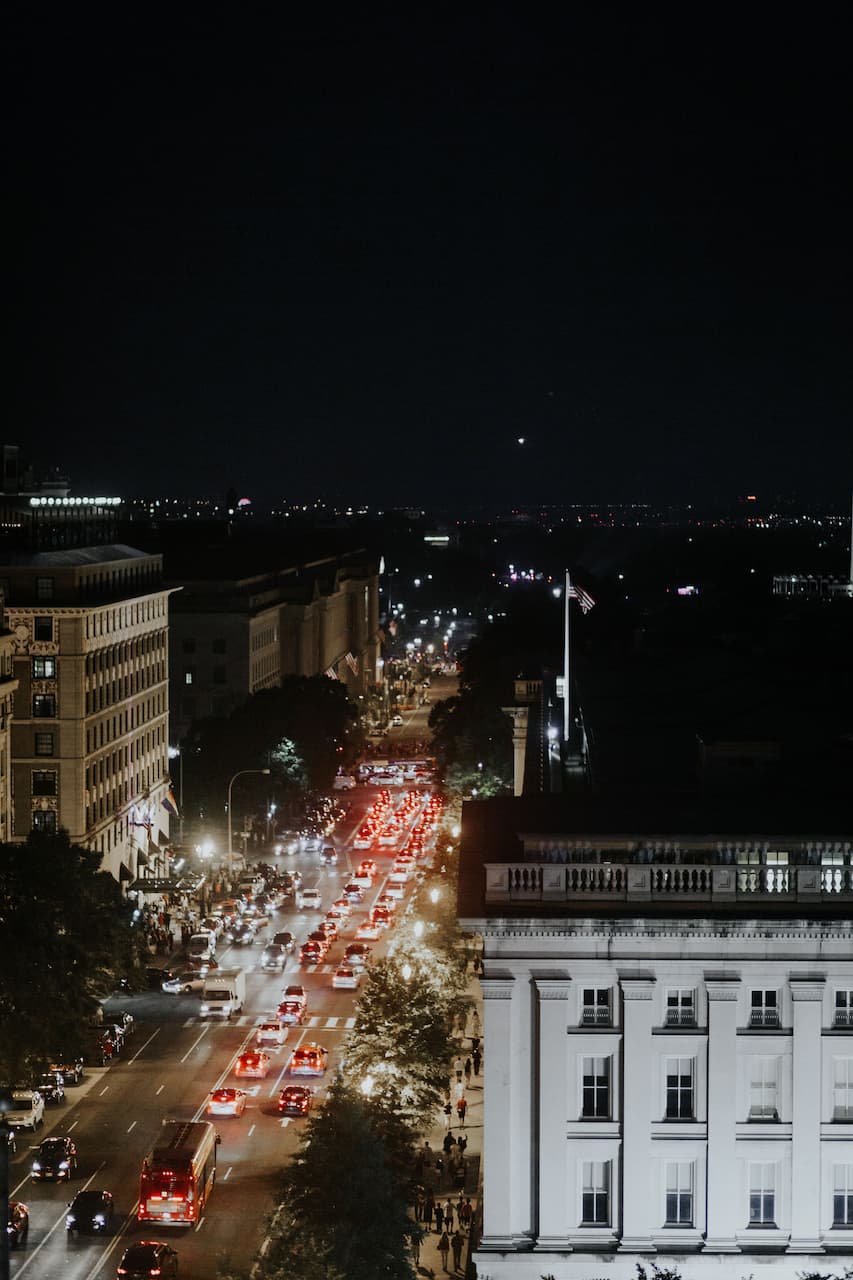
Washington, D.C. has all four seasons - and that can be both convenient and unusual. It's hot and humid in the summer, and it can snow in the winter. The weather affects how you dress, your commute, and even your furniture choices. If you're used to a mild climate, it's worth knowing in advance what to expect from each season.
Spring: Flowers, Weather and Allergies
From March to May, the city gets warm, trees bloom and festivals take place. Average highs rise from the 50s°F in March to the 70s°F by May. It often rains, so an umbrella and light jacket are useful. The Cherry Blossom Festival takes place at this time, farmers' markets open and outdoor cafes become particularly popular. One local noted, “Spring is my favorite time of year in D.C. But don't forget your antihistamines - there's a lot of pollen.”
Summer: Heat, Humidity and Activities
Summer in D.C. is hot, humid, and active. From June through August, daytime highs often reach the upper 80s and 90s°F, and the humidity can make it feel even hotter. It's hard without air conditioning, especially in the apartment and on the subway. It can be sweltering during the day and thunderstorms by evening. Escape the heat at the Wharf, rooftop bars or a weekend getaway to the beach in Virginia or Deep Creek Lake.
Fall: Outings and Festivals
Fall in D.C. is very pleasant. Mornings are cool, humidity is low, and the trees change color beautifully - especially at Rock Creek Park. September can still feel warm, but by October and November, light jackets, sweaters, and boots become more useful. H Street Festival, DC Jazz Fest, street exhibitions and gastronomic events take place during this time.
Winter: Snow, Cold and Cozy
Winters in D.C. are usually not very harsh, but there are snow days. January is typically the coldest month, with average temperatures around the low 40s°F during the day and near freezing at night. Snowfall varies a lot from year to year: some winters bring only a few light events, while others bring enough snow to close schools, delay commutes, or disrupt moving plans.
If you are renting an older apartment or row house, ask about heating, insulation, drafty windows, and utility costs before signing a lease. In winter, sidewalks can become icy, and some neighborhoods are easier to navigate than others after snow or freezing rain.
Moving and The Season
The best time to move is spring or fall - it's neither too hot nor too cold. The most uncomfortable is moving in July or late December. In one case there will be heat and stuffiness, in the other - snow and holiday hustle and bustle. If you are moving from a warm region, it is better to buy a winter coat, gloves, warm shoes and a strong umbrella in advance.
For official storm, heat, flood, snow, and severe weather alerts, check weather.gov and make sure Wireless Emergency Alerts are enabled on your phone.
A Checklist for Moving to Washington, D.C.
Now that you've learned more about living in D.C., it's time to tackle the moving part itself. Whether you're moving from out of state or the suburbs, a clear plan will help make everything smooth and hassle-free.
Choose a Neighborhood
Think about budget, transportation, and your habits. If nightlife is important to you, Adams Morgan or U Street will be a good fit. If there are kids, look at Capitol Hill or Takoma Park. Columbia Heights and Rosslyn are convenient for those who use the subway a lot. And if you want quiet and more space, look at Silver Spring or Alexandria.
Tip: Before signing a contract, compare neighborhoods by Walk Score and NeighborhoodScout to see how convenient and safe it is to live there.
Allocate your Budget
Washington, DC is an expensive city. You'll pay between $2,000 and $3,200 a month for a one-bedroom apartment. Utilities will cost about $400. Groceries and transportation are between $800 and $1,000 a month, depending on your lifestyle.
Find a Job in Advance (if possible)
Good resources are USAJobs.gov (government jobs), Indeed, LinkedIn, and Built In DC (for IT).
Hire a Good Transportation Company
Do not apply to random advertisements. It's better to choose a proven company with a license, insurance and clear estimates. Check reviews on Google, Yelp, and the BBB.
Get your Utilities and Internet Hooked Up Early
To move into a move-in ready apartment, make arrangements for electricity (Pepco), gas (Washington Gas), water (DC Water), and internet (Verizon Fios, Xfinity, or Starry) in advance.
Tip: It's better to choose a package deal - it's cheaper and more convenient.
Check in at Your New Location
Don't forget to update your driver's license and auto registration through dmv.dc.gov. It's also important to register to vote and change your address with the USPS. Notify your bank, employer, and service providers.
Explore the Neighborhood Before You Finally Settle In
During the first week, walk around the neighborhood. Test your route to work during peak hours. Look for nearby stores, pharmacies, and dog walking areas. See how comfortable you feel on the streets in the evening. Stop by a local Advisory Neighborhood Commission (ANC) meeting to get a sense of what's going on in the neighborhood.