


People often start thinking about moving to Fishtown in Philadelphia because they hear that it’s a walkable neighborhood, a creative spot, and “one of the best neighborhoods in Philly.” Of course, that picture doesn’t show everything, and life in Fishtown in 2026 depends on your lifestyle, where you plan to live, and the everyday inconveniences you’re willing to accept. This Fishtown Philadelphia guide is for those who want to make a well-considered choice before signing a lease or buying a home.
This guide will be useful if you:
- Are considering Fishtown apartments or rentals and are trying to understand what everyday life in the city is really like.
- Are thinking about houses for sale in Fishtown – whether classic rowhomes or new developments – and want to understand what to expect beyond the photos in the listings.
- Are trying to understand whether Fishtown fits your lifestyle, not just your taste.
- You're new to Philadelphia, PA (19125) and want to know what makes Fishtown so appealing.
Why this guide focuses on 2026
Fishtown is changing. Rental prices are rising, and new buildings are going up. Even in the last couple of years, things have changed and advice isn't always relevant anymore. Parking has gotten more difficult, street conditions have changed, and what seems tolerable on one street can be a constant source of irritation a couple of blocks away.
This guide is built around what matters now: how people get around, where friction shows up in everyday life, which tradeoffs are worth it – and which ones catch newcomers off guard.
Fishtown at a Glance (2026 Snapshot)
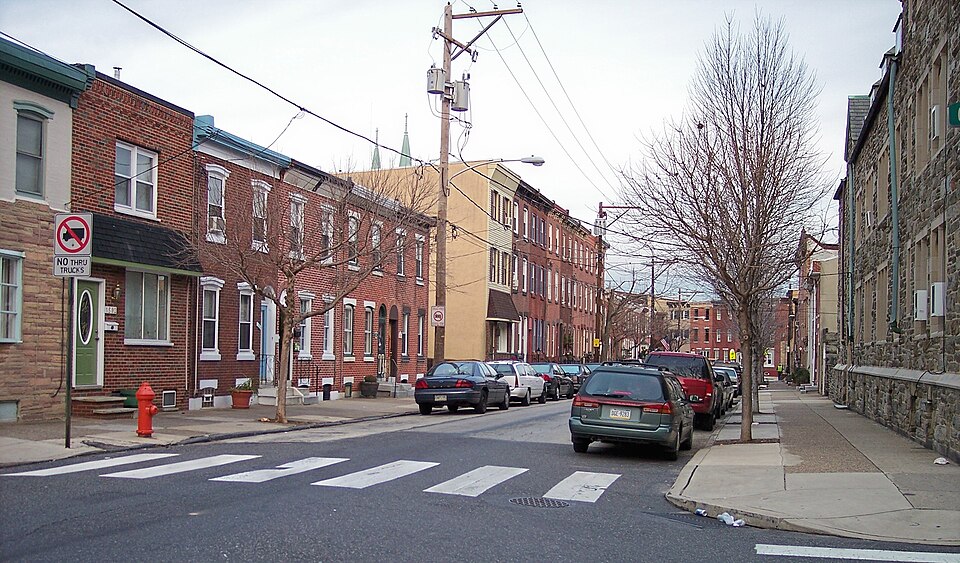
“Fishtown Philadelphia” by Tim Kiser, via Wikimedia Commons, licensed under CC BY-SA 2.5. Changes: cropped and color-adjusted.
To begin with, let's take a look at Fishtown as a whole. This part of the Fishtown neighborhood guide is designed to tell you what the neighborhood is like today and what it looks like from the perspective of everyday life.
Fishtown is located northeast of Center City, bordered on one side by the Delaware River and shaped by bustling corridors such as Frankford Ave, Girard Ave, and streets like York St, where the pace can change noticeably block by block. Although the neighborhood appears compact, in practice there are differences depending on where you live, whether on the main street or a couple of blocks deeper.
Population & age: how it feels on the street
Fishtown is becoming a trendy neighborhood. Overall, it is noticeably younger than many of Philadelphia's neighborhoods. In everyday life, this means:
- More foot traffic, dogs, strollers, and bicycles
- Lively weekends and quieter weekday mornings
- A constant rotation of new residents moving in and out
Fishtown is definitely not a quiet bedroom community, so we don't recommend considering it if you prefer a quieter life. It’s a better fit if you enjoy energy and activity.
Rent and home prices – what's really behind the price ranges
Real estate prices in Fishtown can vary greatly. For renters, Fishtown apartments and rentals range from old walk-up buildings and renovated rowhomes to newer apartment buildings closer to Frankford Ave. In most cases, rental prices depend more on new finishing materials or better soundproofing. A higher price does not always mean more space.
For buyers, houses for sale in Fishtown usually fall into three categories:
- Traditional rowhome Fishtown properties, often with narrow layouts and street parking only
- Completely renovated rowhomes, which cost more but reduce the risk of unexpected maintenance costs
- New construction in Fishtown – most often condos or condo buildings, where HOA fees and construction quality are just as important as the price itself
Many people planning a move are surprised by how much prices can vary within just a few blocks. Although, in general, the same rules apply here as everywhere else: proximity to public transportation, availability of parking, and even which side of the street the house is on can affect the price.
Is Fishtown walkable – and do you still need a car?
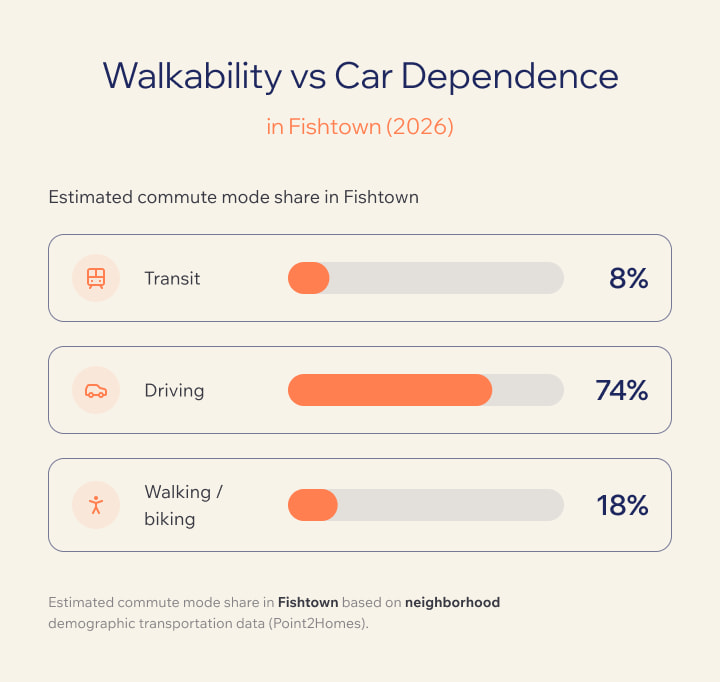
Yes, Fishtown is walkable, but most people still have cars. You can enjoy your leisure time or run your daily errands without a car. You don't need a car to visit grocery stores, cafes, the gym, or relax at a bar, especially near Frankford Ave. Access to SEPTA L transit, including Girard Station, allows you to get to Center City without a car.
If you do have a car, parking on quiet streets is relatively tolerable. Of course, it is more difficult near commercial corridors. Consider this factor if you drive daily and are choosing a place to live.
The Fishtown commute – realistic
The Fishtown commute is well suited for those who travel to Center City or neighboring areas, especially if you have a flexible or hybrid schedule. Transportation accessibility is generally good, but as everywhere in Philly, reliability can vary. People who work late or travel frequently usually appreciate being able to choose between several routes rather than relying on a single option.
The Reality of Living in Fishtown (Day-to-Day)
Here, we will continue discussing how everyday life in Fishtown depends much more on the specific street than on the reputation of the neighborhood as a whole. Two houses located just a few blocks apart can have completely different rhythms.
First of all, you will have to get used to the noise, especially in houses near Frankford Ave or Girard Ave. There is an active nightlife here, with people on the streets and ride-share cars pulling up. The activity here continues late into the night, especially on weekends. Some people like it, others find it tiring, especially if their windows face the street. To find a quieter place, you'll have to go deeper into the residential neighborhoods. However, there you may be greeted by the sounds of garbage collection, delivery trucks, and constant repairs in old rowhomes.
During the week, the neighborhood as a whole seems quiet. Life goes on as usual: people work from home, walk their dogs, and go about their daily business. As soon as the weekend begins, the difference is immediately apparent. Guests arrive, and evenings drag on. At this point, parking in Fishtown becomes difficult, and the streets become more congested, especially near busy corridors.
The spillover effect of nightlife is generally local. It certainly exists, but late at night, only certain streets are noisy. As we mentioned earlier, if you go one or two blocks deeper, you will no longer feel it as much. We recommend viewing properties here at different times of the day. This is especially important in Fishtown.
Most of the housing here is rowhomes, which shapes everyday logistics. Packages are often left on the porch or in common entry areas, large deliveries can be inconvenient, and narrow streets make double parking a common occurrence. This is common in Philly, but if you are used to secure buildings or garages, this is something to consider in advance.
Safety, Crime & Perception: What the Stats Don’t Tell You
Before moving, it makes sense to ask: is Fishtown safe? According to NeighborhoodScout, the overall crime rate in Fishtown is higher than the national average – which is typical for much of urban Philadelphia. It is important to note that most of the reported cases are property crimes rather than violent crimes. These include package thefts, car break-ins, and petty thefts. Assaults and serious violence are significantly less common. Overall, this coincides with how residents perceive the situation on a daily basis.
Crime statistics sometimes give a distorted picture. NeighborhoodScout and city databases do not show the difference between incidents by time and exact location. Due to busy streets with nightlife and large crowds, the figures will be higher there, even if the situation is calmer in neighboring neighborhoods. Simply put, the numbers reflect general recurring situations, not how a particular street will feel late at night.
For that reason, newcomers shouldn’t rely solely on city or district percentages without checking the situation at the neighborhood level. In Fishtown, the time of day is very important. Streets close to nightlife are usually noisier and less predictable at night; more remote residential streets are generally quieter and calmer.
There are also practical considerations that are not reflected in the figures. Many of the houses are rowhomes with direct access to the street, so things like parcel delivery and street lighting have a big impact on the feeling of safety. This is true not only for Fishtown, but for life in dense urban areas in general.
Housing in Fishtown: Renters vs Buyers (2026)
If you are considering renting or buying a home in Fishtown, it is worth noting that tenants have a wide range of Fishtown apartments and Fishtown rentals to choose from in terms of price. Rent for a 1-bedroom apartment is typically between $1,500 and $2,000.
Overall, according to Realtor.com, the median rent for an apartment is $1,895. The pricing logic is pretty straightforward: the newer the building, the higher the rent. At the same time, renters should be aware that Philadelphia’s new rules around deposits and upfront fees can affect how much cash is required before move-in, as outlined in this overview of the new Philadelphia security deposit law to ease move-in burden. In older rowhomes, you can usually get more space for the same price. However, you should be prepared for thinner walls, fewer amenities, and noticeable differences between neighborhoods. Along Frankford Ave, the buildings are older and the street activity is higher.
When buying a home, the picture is different. Houses for sale Fishtown, according to Zillow, have a median listing price of $412,633 and a median sale price of $348,333. Buying a classic rowhome in Fishtown often means choosing a location rather than the ideal condition of the house. Narrow layouts, staircases, outdated utilities, and street parking remain a familiar part of life even at a higher cost.
Often, renovated rowhomes undergo mainly exterior repairs; complete replacement of plumbing, electrical systems, and insulation is not carried out as often. Therefore, checking the condition of the house is especially important, as the word “renovated” can mean very different things inside.
New construction Fishtown appeals to those who value fresh interiors and minimal urgent home repairs. But there is one caveat: cost. New construction is more expensive, and in condominiums, homeowners association fees significantly increase monthly expenses. These payments are often not immediately apparent, but over time they become as significant as mortgage interest.
The choice between renting and buying most often depends on timing. If you are not sure that you will stay in the area for at least three to five years, renting usually offers more freedom and less risk. Buying is justified when the area suits you, you are ready to live in a rowhome or condominium, and you understand that home maintenance and market changes are a normal part of such a decision.
Micro-Areas of Fishtown: Where You Live Matters
Next, we will examine what life is like in Fishtown and how different micro-areas differ. Fishtown can be very diverse. Choosing the wrong micro-area is one of the most common reasons for disappointment after moving. These parts of the neighborhood differ in terms of convenience, noise levels, parking issues, and what happens on the streets.
The Frankford Ave corridor
Frankford Ave is the central artery of northeast Philadelphia, attracting both tourists and locals. It is mainly home to restaurants (Two Robbers Fishtown, Elwood, Suraya) bars (Fishtown Social, R&D Cocktail Bar, Forest & Main Fishtown) gyms, and shops. You should only choose to live here if you value a busy lifestyle and the opportunity to step out of your home and immediately find yourself in the center of the action.
In the evenings, especially on weekends, it can get noisy here. Ride-hailing services often stop at the curb, people walk around until late, and parking spaces are hard to find. It is worth paying close attention to where the bedroom windows face: a view of the street significantly increases the noise. If you want more peace and quiet, it is better to choose a home one or two blocks away from the avenue, rather than directly on it.
Residential side streets
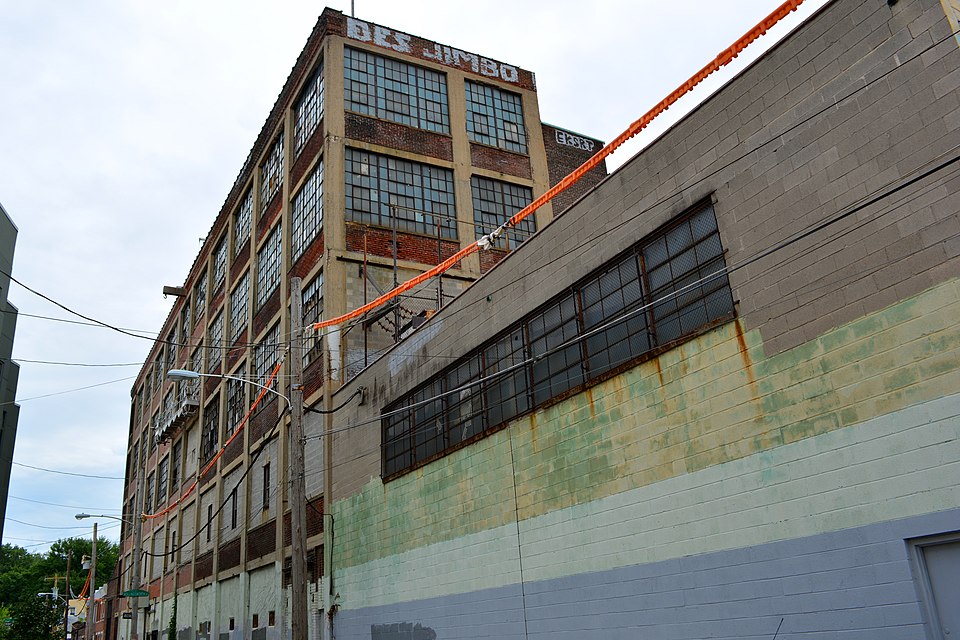
“Brownhill & Kramer Hose, NE Philly 1.JPG” by Smallbones, via Wikimedia Commons (CC0 1.0)
A little way off the main streets, Fishtown is starting to feel more like a residential area. It's quieter in the evenings and at night, with fewer people on the streets. These areas are home to people who plan to stay for the long haul. Mostly, it's people who value walkability without constant noise and remote workers.
The pace of life here is noticeably calmer, which attracts many renters and buyers. Of course, there are minor drawbacks, but they are not critical and are everyday occurrences, such as garbage collection, repairs, and delivery trucks.
Border zones: Northern Liberties and the Kensington edge
As you approach the borders of Fishtown, the area gradually changes and begins to resemble the neighboring territories. From the Northern Liberties side, the environment looks neater and more residential, often with a large number of new houses and different prices. The streets near this border usually quiet down earlier in the evening, although the parking issue remains.
Towards the Kensington edge, the transition is much more noticeable. Some neighborhoods look completely peaceful and residential, while others can be very different just down the street. This is the part of Fishtown where a map is of little help – time spent on a particular block is what matters most here.
River-adjacent areas
Living near the Delaware River comes with a different set of pros and cons. Proximity to open space and waterfront walking paths is a clear advantage, and the neighborhoods themselves often feel more spacious and less dense. The main noise here comes not from nightlife, but from car and bicycle traffic and seasonal crowds.
The wind is noticeable at any time of year, and traffic can increase sharply during events or busy weekends. For those who appreciate outdoor space and are willing to put up with these conditions, living by the river can be a good choice. For others, it may seem too open and less connected to the main part of the neighborhood.
How to choose the right block
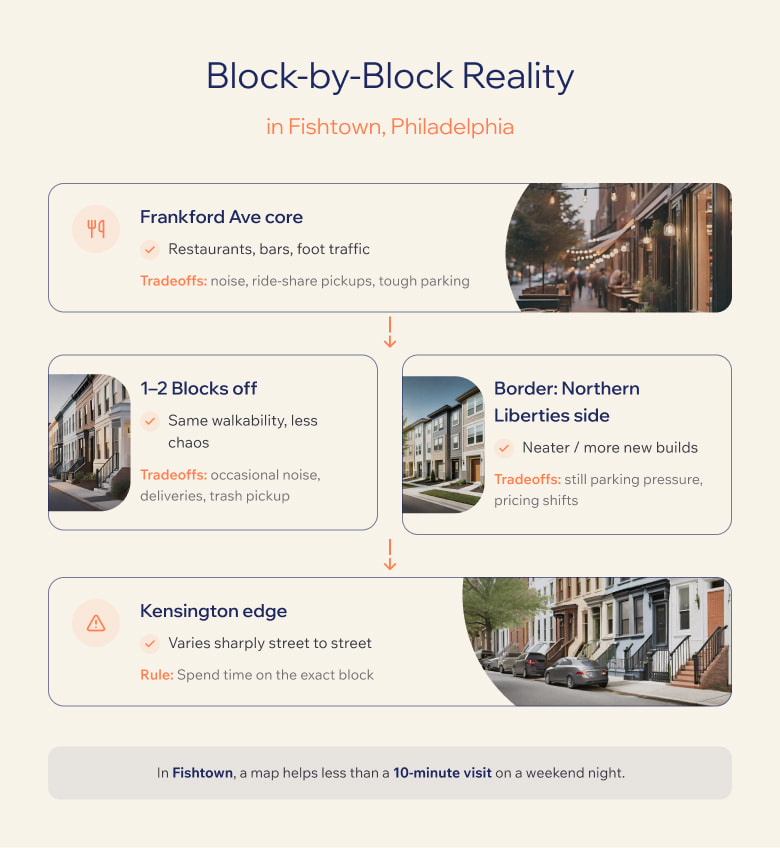
We recommend viewing the house in the evening and on a weekend before making a decision. One or two blocks here can make a big difference. Spend at least a few minutes on the weekend observing how the street lives. Walk around the neighborhood, pay attention to where the locals park and how long the activity lasts. Such an on-the-ground check is more important here than almost anywhere else.
Choosing the right micro-area does not guarantee that you will love Fishtown.
But choosing the wrong one can make even a great neighborhood feel unsuitable for you.
Transportation, Parking & Commuting Reality
Getting around Fishtown is relatively easy by Philadelphia standards. However, it depends on whether you rely on public transportation, a car, or a combination of both. For those who prefer to walk or ride a bike, it will be convenient. Walking is convenient for running everyday errands. It's easy to grab a coffee or go to a restaurant. Everything is located fairly close together on the main streets, so it's convenient to live without a car.
Access to public transportation also plays a role. The Market–Frankford Line (the El) runs regularly through the area, and stations like Girard are often a deciding factor for commuters. On weekdays, the trip to Center City usually takes 10 to 20 minutes. There are sometimes minor delays. During off-peak hours, the intervals between trains may be longer.
SEPTA's service is usually described as “generally okay, but sometimes annoying.” During rush hour, trains run frequently, and missing one train rarely causes a problem. At other times, the schedule becomes more important. Residents who depend on public transportation usually allow extra time rather than counting on the schedule to be accurate.
The situation is different with a car. Parking in Fishtown is possible, but there are some nuances. It is easier to find a spot on residential streets than along busy corridors, and it is usually easier to park on weekdays during the day than in the evening or on weekends. Construction, street cleaning, and freight deliveries can quickly change the rules – sometimes literally overnight. With a car, it is more convenient to adjust your schedule to the times when parking is easiest.
The most noticeable difference between living with and without a car becomes apparent over time. A car gives you more freedom in choosing your route, but you lose time looking for parking and navigating narrow streets with frequent double parking.
When discussing commutes, Fishtown vs Northern Liberties are often compared. Both neighborhoods offer good access to transportation, but Northern Liberties has more multi-level parking lots in certain areas, while Fishtown wins out with its continuous, pedestrian-friendly line of cafes and services. The choice depends not so much on distance as on what is more important to you: predictable parking or the ability to walk almost everywhere.
The conclusion is simple: transportation in Fishtown works best when your housing matches how you actually get around the city. Walk your route in real conditions, check out the parking in the evening and on weekends, and consider different scenarios in advance. This approach is more useful than any charts or tables.
Schools, Families & Long-Term Living
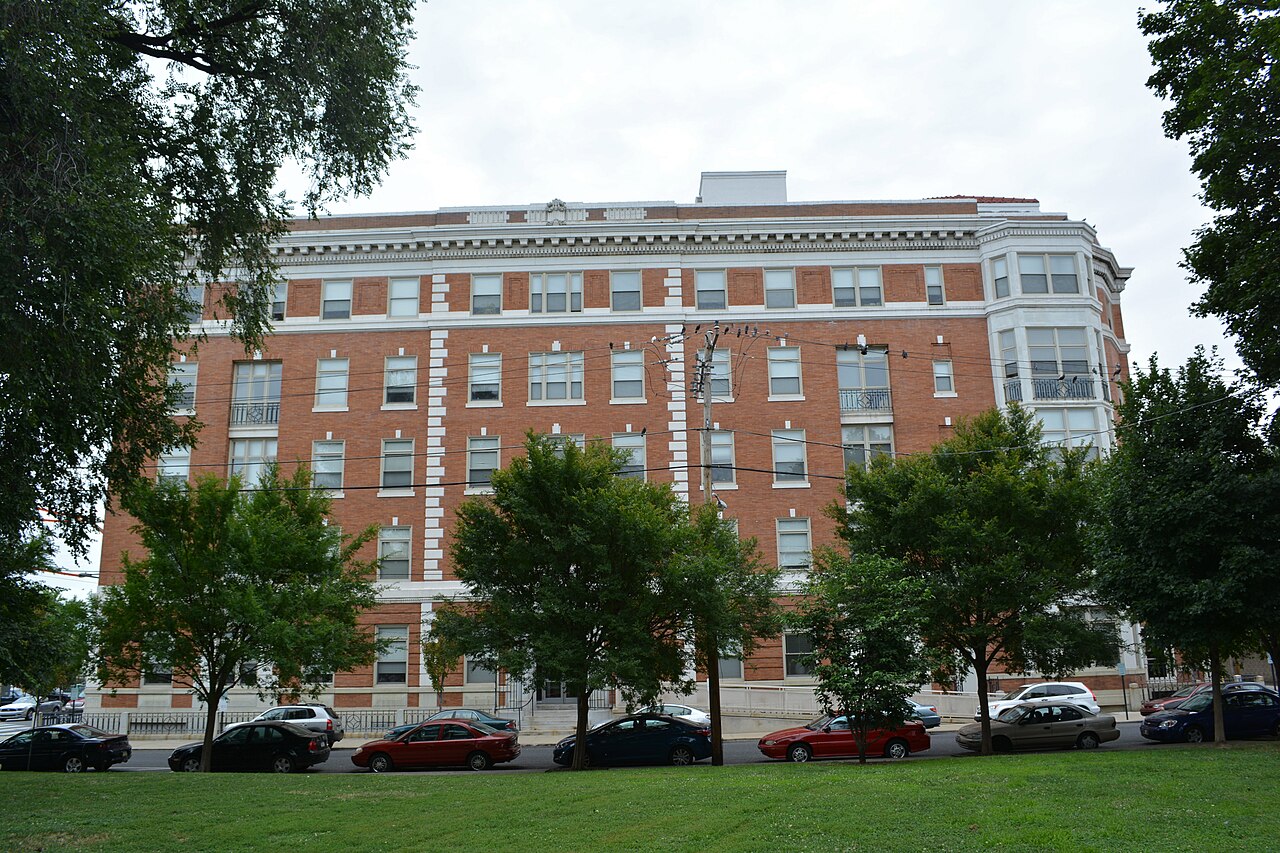
St Mary’s Hospital on Memphis St, Philly.JPG” by Smallbones, via Wikimedia Commons (CC0 1.0)
Fishtown may be a good fit for families. Fishtown for families is about walkability, parks, and a strong sense of neighborhood feel. It is convenient for families with young children, as playgrounds, classes, and everyday activities are within walking distance, eliminating the need for a car. However, as children grow older, space, schedules, and school logistics come to the forefront.
Schools are often the biggest factor in adjusting expectations. Families usually start with the closest public options, such as Adaire Elementary School and Richmond Elementary School. As with most public schools in Philadelphia, results depend on class size, enrollment stability, and available support services. Class sizes are often larger than in suburban districts, and the availability of aftercare is often a deciding factor for working parents.
Some families consider charter schools as an alternative, but this path is fraught with uncertainty. Enrollment is by lottery, and acceptance is never guaranteed. Therefore, many families plan for several school scenarios in advance rather than betting on one option. This flexibility becomes especially important as kindergarten and subsequent stages of education approach.
The main challenges aren’t academic – they’re logistical. Housing in Fishtown is mainly represented by rowhomes with all their drawbacks, such as limited storage space and minimal private outdoor space. All of this is tolerable when you have a small child, but you will still have to put up with difficulties when strollers or, over time, bicycles, school backpacks, etc. start to appear. This is worth considering before moving, as some families who initially love Fishtown later decide to relocate once space and logistics become more challenging. A second child changes the space requirements.
Families who stay for the long term tend to plan ahead. They evaluate school options early on, choose quieter blocks, and select housing that allows them to adapt as their needs change. Fishtown can work well for families who understand its limitations before moving and choose housing and blocks accordingly.
Ultimately, Fishtown can be a great place to raise children – for the right kind of family. Before moving, it’s important to realistically assess whether your family’s space, school, and schedule needs align with what Fishtown can offer long term.
Pros, Cons & Non-Obvious Tradeoffs
The decision to live in Fishtown rarely comes down to a simple assessment of the neighborhood. More often than not, it depends on what aspects of city life suit you best. One of the notable advantages is the ability to get by without a car: many everyday tasks can be accomplished on foot, which makes life easier. At the same time, the neighborhood remains lively: the streets are crowded with people, tourists, traffic, and noise, especially in the evenings and on weekends. The same is true of restaurants and bars – they make the neighborhood convenient and vibrant, but not quiet, and much depends on the specific street.
Interest in housing in Fishtown keeps prices high, but at the same time makes it difficult to find a place. Good options quickly disappear from the listings, and the choice is limited for both rent and purchase. Some of the disadvantages of the area are perceived differently. Noise and parking issues rarely bother those who are used to walking. Living in a rowhome means stairs, limited storage space, and no private yard—this format is not for everyone, but many accept it for the sake of a good location. New-construction condos come with HOA fees and rules of residence, which are usually not a problem if you know about them in advance.
As a result, Fishtown is more often suited to those who value walkability and an active city life. It is much less suitable for those who want peace and quiet, more space, and a suburban lifestyle.
Moving to Fishtown in 2026: Practical Advice
When moving to Fishtown, we recommend midweek and mid-month moves, as they are usually less hectic. On weekends, you will encounter a lot of traffic and it will be more difficult to park the truck. It is also better to move in the morning.
Plan ahead for parking near your home. Many blocks in Fishtown do not have designated loading zones, and trying to “quickly pull up next to someone else” often leads to delays and unnecessary trips. Check to see if there is street cleaning, construction, or temporary restrictions on your street. On busy streets, setting up a temporary no-parking zone often helps save time.
Access to the building is another point that is often overlooked. Rowhomes often have narrow doorways, cramped hallways, and steep stairs, so the move can be delayed if the movers are not prepared for this. Moving into a new condo is easier physically, but there are rules: you need to reserve the elevator in advance, comply with the permitted moving hours, and provide a certificate of insurance. It is better to check these things in advance rather than find out on moving day.
Choose movers who know the streets of Fishtown well. It really matters here. Local teams understand where the one-way streets are, how to park a truck in a narrow area, and when double parking is allowed and when it is not. When communicating with movers, it is worth asking how they work with narrow staircases, street parking, and buildings with limited access. A walk-through or video estimate usually greatly reduces the number of surprises.
Quick check before moving:
- Visit your block at the time you plan to move
- Confirm parking rules and possible restrictions
- Measure doorways, stairs, and narrow turns
- Clarify the building's requirements for moving
Final Verdict: Is Fishtown Worth It in 2026?
Fishtown remains a comfortable place to live, but it is important to understand its specific characteristics. There is a choice of housing, it is convenient to walk around, and the area is already established. These are the main advantages. At the same time, the price of amenities is rising – rent prices are increasing, parking problems are arising, and some areas are noisy.
The specific block plays a decisive role. The neighboring street can offer a completely different experience, and the difference between weekdays and weekends is immediately noticeable.
Fishtown is suitable for those who value walkability and are relaxed about city life. If you want a suburban pace, this is not the best option. Before making a decision, it is worth visiting the future block in the evening and on a weekend – this is often enough to understand everything.