





Ismail and his team were fantastic Ismail and his team were fantastic! Efficient and quick workers, wouldn’t even let me lift a box!
I cannot recommend WellKnown enough. The team arrived early, packed quickly, and graciously moved all of my things into my new 5th floor walkup without a single complaint.
 Jillian Langford
Our customer · Chicago
VERIFIEDreal review
Jillian Langford
Our customer · Chicago
VERIFIEDreal review
A move from Chicago to Philadelphia involves two separate access questions: how the truck will reach the Chicago pickup and where it can unload in Philadelphia. Our Chicago team coordinates pickup and plans delivery around the requirements of your Philadelphia address. Before moving day, we confirm the crew, equipment, route, building access, and delivery window.
The loaded truck normally takes the Chicago Skyway to the I-80/I-90 corridor, then joins the Pennsylvania Turnpike on the approach to Philadelphia. Chicago curb restrictions, toll-road conditions, and limited loading space at the destination can all affect elapsed time.
Moving Tip: Before pickup, ask your Chicago building about its elevator, loading-dock, and curb requirements. If the truck needs reserved curb space, check whether an official CDOT moving-van parking permit applies. For delivery, the customer must request Philadelphia’s Temporary No Parking permit at least four business days ahead and post the approved signs at least 24 hours before the move. WellKnown can provide the truck information and certificate of insurance needed for the application or building.
The written flat-rate estimate is based on the inventory and services you approve, along with stairs or elevators, carrying distance, parking, packing, and storage needs. It covers the assigned crew, equipped truck, fuel, tolls, mileage, loading, unloading, furniture protection, room placement, and basic furniture disassembly and reassembly. If you request a scope change after approval, we document it before adjusting the price.
WellKnown assigns an in-house crew, company equipment, and a truck to the move. A designated lead mover coordinates pickup, transit, and delivery. The Chicago team schedules the move, while the interstate shipment operates under the company’s federal carrier authority. Read more about our long-distance moving process.
🔎 Verify your mover: Before booking, read customer reviews and use the FMCSA Protect Your Move resources. Compare the legal name and USDOT number there with the information shown on your estimate.
How a Chicago-to-Philadelphia Move Is Scheduled
To prepare the estimate, send a complete inventory and identify any packing needs, large or fragile pieces, stairs, elevators, long carries, or curb restrictions. Those details determine the crew and equipment assigned to the job. On moving day, the crew protects and loads the furniture in Chicago, then keeps the shipment organized for placement at the Philadelphia address.
The route covers approximately 760 road miles. A loaded truck normally needs about 12.5–13.5 hours of driving before required stops, loading, unloading, or access delays are counted. Because that exceeds the FMCSA 11-hour driving limit, same-day delivery is not available. The practical delivery range is 2–4 business days from pickup. Your coordinator confirms the specific written delivery window. Traffic, turnpike incidents, winter weather, or unavailable curb and elevator access may affect timing within the confirmed terms. For winter moves, the team checks official road conditions through OHGO and 511PA.
🔒 Protection: Basic Released Value Protection is included at no additional charge. Full-Value Protection is available as an optional upgrade. Review the coverage before pickup and consult our claims information if you need to report loss or damage.
Planning Delivery Access in Philadelphia
Do not wait until the truck leaves Chicago to arrange delivery access. The customer is responsible for confirming the Philadelphia building’s elevator, loading-dock, certificate-of-insurance, and moving-hour requirements. If the truck needs reserved street space, the customer must complete the city permit process and post the approved signs. WellKnown supplies the truck dimensions, delivery window, and insurance documentation needed for those arrangements.
🏙️ Official Philadelphia guidance: Apply for a Temporary No Parking permit at least four business days ahead. Once it is approved, take the permit to the designated police district and post the signs at least 24 hours before the restricted period begins.
2 daysTypical transit
Flat rateNo hidden fees
LicensedInsured & bonded
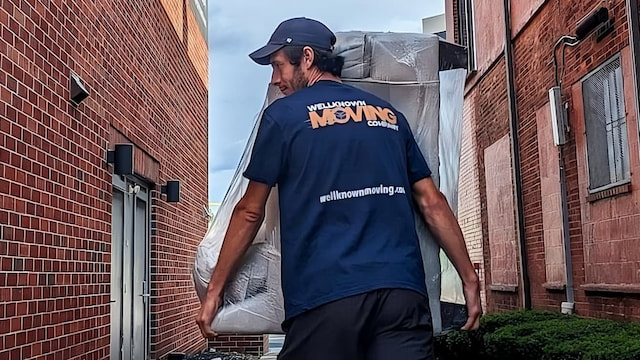
PHOTO 01 / 01
on the job
Chicago → Philadelphia
01
Services for your move to Philadelphia
Chicago
2-day transit
Philadelphia
HOW YOUR MOVE WORKS
/ 05 STAGES
Chicago to Philadelphia Moving Process
Same five stages on every job.
Get a free estimate
01
Pre-move consultation
Same-day callback, priced from your real inventory.
− 3 weeks · 20 min
02
Plan & packing
Every material included, labeled room by room.
− 2 weeks · 1–2 days
03
Loading & transport
Signed inventory, then GPS the whole way down.
Day 1 · 6–8 hrs
04
Delivery & unpacking
Placed and reassembled; boxes hauled on request.
Day 2–4 · half day
05
Post-move support
Follow-up call, and claims handled in-house.
+ 48 hrs · same numberHow much does it cost to move from Chicago to Philadelphia?
Pricing for a Chicago-to-Philadelphia move is provided as a written flat rate, not an open-ended hourly bill. The planning ranges account for typical inventory, labor, interstate travel, fuel, tolls, and ordinary loading and unloading. The Average Price column is a rounded planning figure within each range. It is not a guaranteed or statistical average. The approved estimate controls the price for the agreed scope.
A one-bedroom move with reserved loading areas and working elevators at both addresses generally takes less labor than the same inventory collected from a Chicago walk-up and carried a long distance into a Philadelphia building. Packing, storage, unusually heavy pieces, additional stops, and restricted moving hours can also change the scope.
The flat rate includes the assigned crew, truck, fuel, tolls, mileage, transportation, loading, unloading, furniture protection, room placement, and Basic Released Value Protection. See our pricing process for more detail. Optional packing services, Full-Value Protection, and storage can be added to the written estimate.
Pick your move size
Starting flat rate
Route Chicago → Philadelphia
$2,400
Studio / 1 bedroom
starting rate — not a quote
$0
$2k
$4k
$6k
$8k
Starting prices, not a quote.
These are the lowest rates we have booked on this route — best case: flexible dates, shared truck space, easy access at both ends. Your price is set by your own inventory, access, stairs and dates, so most quotes come in above these numbers. Only the written quote we send you is binding.
What’s included in the rate
All of it inside your rate — no add-ons
 Included
Loading & unloading
dollies, straps, ramps Included
Protection for furniture
blankets, wrap, corners Included
Transportation
truck, driver, mileage
Included
Furniture assembly & disassembly
beds always, more on request
Included
Liability coverage
no paperwork to chase
Included
Gas & tolls
even the turnpike
Quoted separately — only if you ask
Get your itemized estimate
Packing materials & labor
Storage
Specialty crating
You approve each one in writing before anything starts, and every estimate lists the six lines above as included beside your flat rate.
Two ZIPs and a date — that’s the whole quote
Written flat rate for your Chicago to Philadelphia move. Takes about 30 seconds.
- No deposit to hold your date
- A real dispatcher calls back, same day
- No obligation — we never sell your details
From real moves. Pinned to the wall.
5.0
1,390 reviews
Ismail and his team were fantastic Ismail and his team were fantastic! Efficient and quick workers, wouldn’t even let me lift a box!
We moved from Houston to Austin. Thanks to Wellknow Moving for moving our furniture and belongings quickly and safely.
They showed up on time They showed up on time. Incredibly polite. My husband and I barely finished packing so they were patient with us while we finished some items. They took down TVs and everything was wrapped securely. They had to deal with our power going out while moving out of a condo and still kept going. Got to the house, unloaded and we were all set. Full service, excellent help. I’d highly recommend to anyone. Thanks guys!
They showed up on time They showed up on time. Incredibly polite. My husband and I barely finished packing so they were patient with us while we finished some items. They took down TVs and everything was wrapped securely. They had to deal with our power going out while moving out of a condo and still kept going. Got to the house, unloaded and we were all set. Full service, excellent help. I’d highly recommend to anyone. Thanks guys!
Ismail and his team provided an amazing… Ismail and his team provided an amazing moving service and were able to make my moving experience extremely easy despite issues with moving restrictions from both the building I moved out of and the building I moved into. They were fast and efficient, packing and unpacking everything in a little over an hour. I couldn't recommend them more and would definitely use them for my next move!
Ismail and his team provided an amazing… Ismail and his team provided an amazing moving service and were able to make my moving experience extremely easy despite issues with moving restrictions from both the building I moved out of and the building I moved into. They were fast and efficient, packing and unpacking everything in a little over an hour. I couldn't recommend them more and would definitely use them for my next move!
I moved from Boston to NYC and the team was super helpful and amazing. They packed up everything and made my move way easier. I’d definitely recommend them for any future moves across states.
Why people pick WellKnown for this route
A local company, not a broker
Years out of Chicago, running the Philadelphia corridor every week — dispatched by people who know both ends.
A fixed price, agreed up front
Quoted flat-rate with no hidden fees — full service, or just the heavy lifting, shaped to your budget.
Homes, offices, and the awkward stuff
Apartments, houses, storefronts, and specialty equipment all move on the same contract.
Short-notice moves
Closing moved, lease fell through, job starts Monday — if we have a truck on the corridor, we’ll take it.
Request an estimate
usually answered the same day
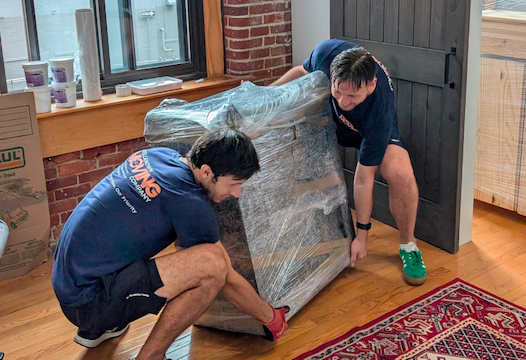
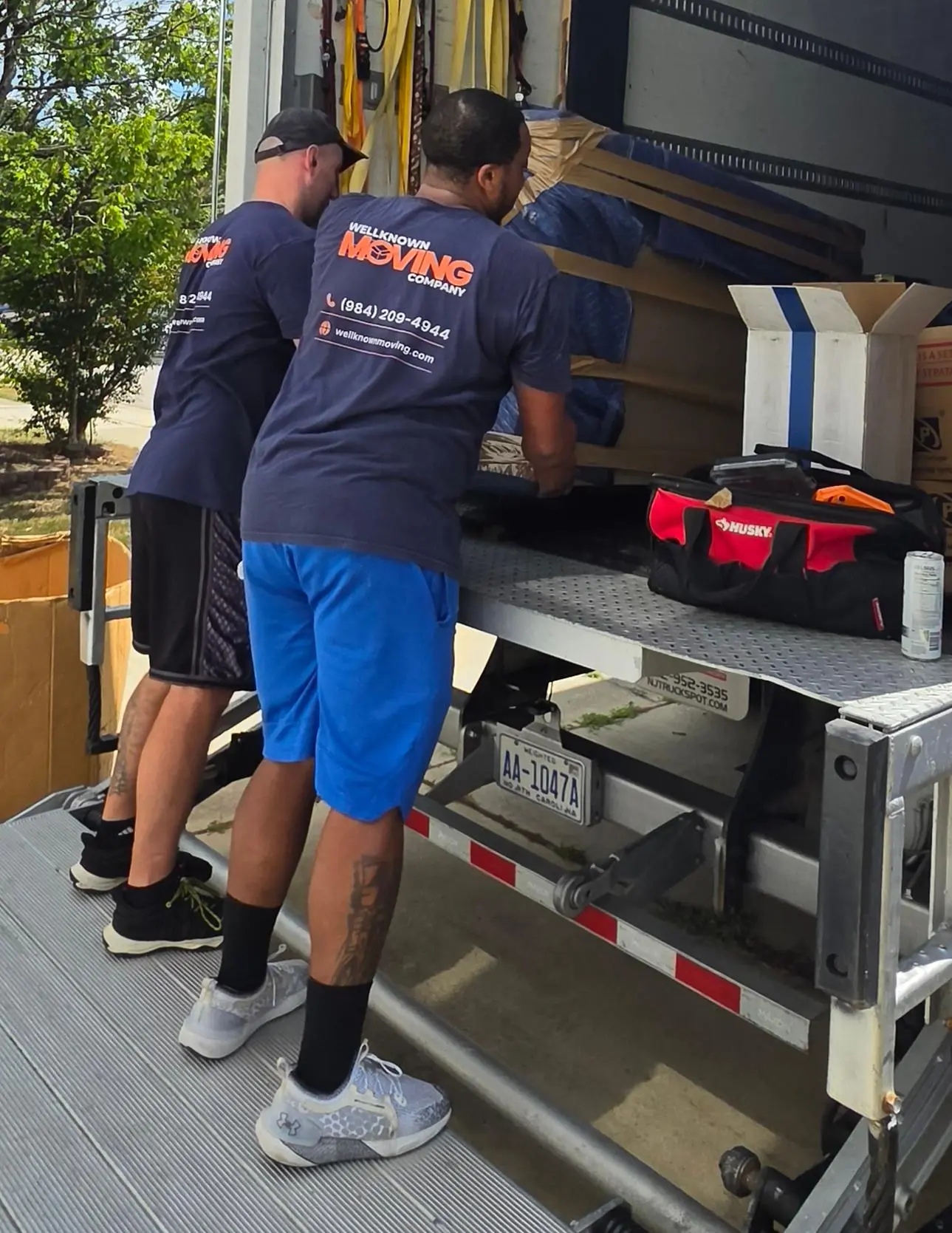
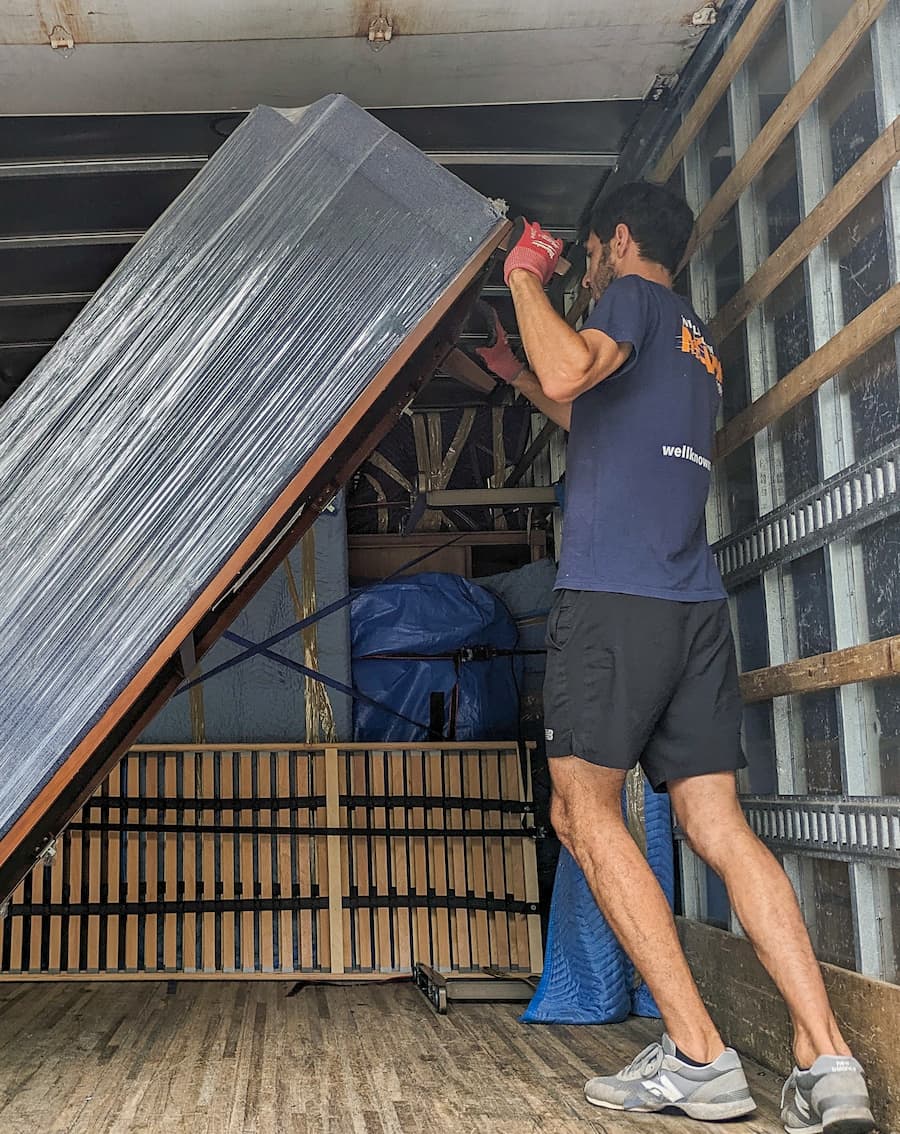
- Chicago-side dispatch planning. The Chicago team reviews pickup parking, building access, inventory, and equipment needs before assigning the move.
- In-house crew and equipped truck. Company employees complete the loading, interstate transportation, and unloading under the direction of a designated lead mover.
- Written flat-rate pricing. The estimate accounts for the crew, truck, fuel, mileage, tolls, inventory, access conditions, and approved services.
- Corridor-aware scheduling. The plan accounts for the 760-mile toll-road route, federal driving limits, required stops, and seasonal road conditions.
- Philadelphia access coordination. WellKnown provides the truck and insurance information, while the customer completes required permits and building reservations before delivery.
- A move scope that fits the shipment. Choose residential moving or commercial moving, then add packing or storage when those services are included in the estimate.
Frequently Asked Questions
Straight answers about cost, timing, and what Philadelphia is actually like once the truck is unloaded. No fine print games.
How much does it cost to move from Chicago to Philadelphia?
Planning ranges start around $2,400 for smaller shipments and increase with the inventory, access conditions, packing, storage, large items, and commercial requirements. After reviewing both addresses and the complete scope, WellKnown provides a written flat-rate estimate that includes the crew, truck, fuel, mileage, tolls, loading, and unloading.
How long does a move from Chicago to Philadelphia take?
Typical delivery is 2–4 business days from pickup. Same-day delivery is not available because the approximately 760-mile route exceeds the federal daily driving limit for a commercial driver. Traffic, weather, required stops, and building access may affect timing, so your coordinator confirms the specific written delivery window.
Do I need a parking permit for delivery in Philadelphia?
The customer is responsible for reserving legal curb space when the Philadelphia address requires it. The city instructs applicants to request a Temporary No Parking permit at least four business days ahead, take the approved permit to the designated police district, and post the signs at least 24 hours before the restriction begins. WellKnown can provide the truck information and certificate of insurance needed for the permit or building.
What should I prepare before requesting an estimate?
Prepare a complete inventory and identify any fragile, oversized, or unusually heavy items. Provide the floor, stairs, elevator, loading-dock, parking, and carrying-distance details for both addresses. For the Chicago pickup, confirm whether the building requires an elevator reservation, certificate of insurance, or reserved curb space.
Can packing or temporary storage be added to this move?
Yes. Packing can cover the entire shipment or selected areas such as the kitchen, artwork, or fragile items. Storage can also be included when the Philadelphia address is not ready during the planned delivery period. Both services must be added to the written scope so the crew, materials, schedule, and flat rate can be updated before pickup.
Field notes
05 guides
Moving tips from the crew
Checklist
Moving Checklist
Week-by-week, from eight weeks out to the morning of the load. Read the guide CompareDIY Moving vs Hiring Professionals
Real numbers on the run: truck rental, fuel, days off work. Read the guide DownsizingMoving into a Smaller Space
What to cut first, and how to measure before you haul it across the country. Read the guide VettingChoosing the Right Moving Company
The five questions that separate a licensed carrier from a broker. Read the guide PackingDIY Packing Guide
Box sizes, wrapping order, and the rooms worth paying us to do. Read the guideEvery guide is written by the crew who runs this route — not a content team. Questions they don’t cover go straight to dispatch.
Get a free estimatePlease contact us if anything is unclear
WellKnown Moving Company Licensed, insured & bonded
- Address 859 Trace Dr, Buffalo Grove, IL 60089
- Phone (224) 521-4244
- Email [email protected]
- Hours Monday – Saturday9:00 AM – 5:00 PM
WellKnown Moving Company
859 Trace Dr, Buffalo Grove, IL 60089