






Ismail and his team were fantastic Ismail and his team were fantastic! Efficient and quick workers, wouldn’t even let me lift a box!
I cannot recommend WellKnown enough. The team arrived early, packed quickly, and graciously moved all of my things into my new 5th floor walkup without a single complaint.
 Jillian Langford
Our customer · Chicago
VERIFIEDreal review
Jillian Langford
Our customer · Chicago
VERIFIEDreal review
Moving out of state is not like moving across town, and moving from Chicago, Illinois to Denver, Colorado is a roughly 1,000-mile interstate move. The pricing is different, there are federal regulations, and there are logistics at both ends of the trip — Chicago parking and building restrictions on one side, your Denver delivery on the other.
This page covers both parts: how to hire a licensed interstate mover for this route, and how the move actually works — from what drives your cost to the Chicago-specific details that trip people up on move day.
Request a Free Estimate for your Chicago-to-Denver move.
Your Chicago to Denver Move, Handled End to End
If you're relocating from the Chicago area to Denver, you're planning a long-distance interstate move — not a quick local haul. That changes how the job is priced, scheduled, and regulated, and it changes what you need to prepare before move day.
A full-service move covers the main stages: packing (if you choose it), loading, transport across the route, delivery, and placement in your new Denver home. But "full-service" does not mean you can skip every decision. You'll still confirm your inventory, your building access on both ends, your parking situation in Chicago, and which services you actually want.
Here's the simple division of responsibility: we do the moving work — the crew, the truck, the transport, and the protection equipment. You confirm the details that shape the plan — what's being moved, how the crews get in and out, and any building rules. When those details are settled early, the move is more controlled and the estimate is more accurate.
The rest of this page walks through the cost, the Chicago logistics, the route, your federal protections as an interstate customer, and what to expect after you land in Denver.
Planning Your Move Out of Chicago
The Chicago side of this move is where the real logistics live, and it's the part most national movers gloss over. Getting these details right ahead of time is what keeps move day from turning into a fines-and-delays situation.
Here's the honest split: you handle securing your parking and confirming your building's rules; we plan the load-in around them. The more you nail down early, the more efficient — and potentially cheaper — your move becomes.
Parking Permits: CDOT Tow Zone vs Ward Courtesy Signs
This is the distinction that trips people up, so it's worth being precise.
A Ward courtesy sign is free, but it is not legally enforceable. It's essentially a polite request asking neighbors to leave space for your moving truck. If someone parks there anyway, there's no legal mechanism to have them moved.
A CDOT Tow Zone permit is different: it's a paid permit that is enforceable, meaning a car parked in your reserved zone can be ticketed and towed. On a busy street, that's the difference between a guaranteed spot near your door and the crew hauling your belongings an extra block.
What this means for you: check with your Chicago Ward office for the exact process and secure a CDOT permit if you're on a busy street where guaranteed loading space matters. WellKnown does not automatically pull or pay for permits — but once you share your parking details, we plan the load-in around them so the crew isn't stuck carrying items farther than necessary.
High-Rise and Condo Requirements (COI and Freight Elevators)
If you're moving out of a managed high-rise or condo building, there's a second layer to check before move day.
Most managed Chicago high-rises and condos require a Certificate of Insurance (COI) from your mover before the crew is allowed in, and many require you to reserve a freight elevator or loading dock for a specific time window. Requirements vary by building, so this isn't universal — but it's common enough that you should confirm your building's rules early.
WellKnown can issue a COI when your building requires one — provided you send us the building's exact insurance requirements early, so there's time to prepare it before move day. The crew then works within your reserved elevator window and follows the building's rules.
What this means for you: ask your building manager two things now — do they require a COI (and what does it need to say), and how do you reserve the freight elevator? Send those details to your mover as soon as you have them.
Why PODS Can Be Tricky in Chicago
A portable container (like a PODS unit) can seem like a flexible option, but Chicago's rules on placing moving containers on public streets make it harder than it looks. City ordinance restricts leaving containers parked on public streets, which can mean permits, tight time limits, or simply not being allowed depending on your location.
For a lot of Chicago addresses, a full-service mover sidesteps this headache entirely, because the truck loads and leaves the same day rather than sitting on the street.
What this means for you: if you were considering a container, check your Ward's rules on street placement first — it may rule the option out before you've paid for it.
The Route: Distance and Transit Time
The drive from Chicago to Denver is approximately 1,000 miles and roughly 14–15 hours of driving time. The most direct route runs west on I-80 through Iowa and Nebraska, then connects to I-76 west into Denver.
One important distinction: drive time is not the same as your delivery window. A 14–15 hour drive doesn't mean your belongings arrive 14–15 hours after pickup. Delivery depends on how the move is scheduled, whether you chose a dedicated or shared truck, and federal rules limiting how many hours a driver can be on the road each day. On a shared truck, the window is naturally wider because the truck makes other stops along the way.
Think of the mileage and drive time as a useful reference point for the journey — not a promise of an exact arrival time.
Choosing a Licensed Interstate Mover (Your FMCSA Protections)
Because Chicago to Denver crosses state lines, this is a federally regulated interstate move — and that regulation exists to protect you. Understanding it is the best defense against the horror stories (hidden fees, "hostage load" price hikes at delivery) that make people nervous about hiring movers at all.
Here's what the rules give you:
- Every legitimate interstate mover must be registered with the FMCSA and carry a USDOT number. This is the baseline for a legal state-to-state move — and something you can verify yourself before you hire anyone.
- You're entitled to a written estimate and to the FMCSA's "Your Rights and Responsibilities When You Move" booklet.
- The 110% rule: for a non-binding estimate, a mover cannot demand more than 110% of the estimated amount at the time of delivery. Important nuance: this doesn't erase what you owe. If your final charges are higher, you still owe the remaining balance — the mover simply has to bill it later (typically within 30 days) rather than hold your belongings until you pay it all at delivery.
What this means for you: before you sign with any mover, confirm they have a USDOT number, insist on a written estimate, and read the FMCSA's consumer rights page so you know your rights.
WellKnown Moving brings years of experience as a licensed, insured, FMCSA-registered interstate mover, using its own in-house, background-checked crews — not a broker that hands your job to someone else. You can read our customer reviews and verify our FMCSA registration before you book.
Chicago vs Denver: What to Expect After You Move
A quick, honest picture of the change you're making — without the tourism brochure.
On cost of living, the two cities are broadly comparable overall, but the mix is different. Rent in Denver is often lower than in Chicago, while buying a home in Denver can be more expensive. So whether Denver feels cheaper or pricier depends a lot on whether you're renting or buying.
On lifestyle, the biggest day-to-day shift is climate and access to the outdoors — Denver sits at the edge of the Rockies with easier access to mountains and outdoor recreation, and a drier, higher-altitude climate than Chicago.
For a deeper breakdown of costs and daily life between the two cities, a dedicated comparison is the better place to dig in.
Our Chicago to Denver Moving Process
Here's how the move works, in the order it actually happens, so you always know who's doing what and what's coming next.
- Estimate and survey. You share your inventory, addresses, and access details; we prepare a written estimate. For larger moves this may be done virtually or in person. The estimate is confirmed before the move is scheduled.
- Confirm inventory and access. Together we lock in what's being moved and the access at both ends — stairs, elevators, parking, and building rules in Chicago, plus your delivery conditions in Denver.
- Packing (optional). If you choose it, we provide full or partial packing and can supply materials or work with yours. Packing is an add-on, not automatically included.
- Loading. The crew loads the truck in Chicago, working within your reserved elevator window and around your parking plan.
- Transport. Your belongings travel the route to Denver.
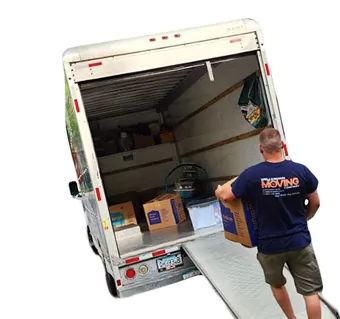
- Delivery and placement. The crew unloads and places items in your new home, with basic furniture reassembly as needed.
Your part in this: confirm your inventory honestly (an actual room-by-room list, not a rough guess), sort out Chicago parking and your building's COI/elevator rules, and flag any specialty or heavy items early so they're accounted for in the estimate. When those are handled before move day, the crew isn't solving surprises on the sidewalk.
Request a Free Estimate to get your Chicago-to-Denver move on the calendar.
2 daysTypical transit
Flat rateNo hidden fees
LicensedInsured & bonded
PHOTO 01 / 01
on the job

Chicago → Denver, CO
01
Services for your move to Denver, CO
Chicago
2-day transit
Denver, CO
HOW YOUR MOVE WORKS
/ 05 STAGES
Chicago to Denver, CO Moving Process
Same five stages on every job.
Get a free estimate
01
Pre-move consultation
Same-day callback, priced from your real inventory.
− 3 weeks · 20 min
02
Plan & packing
Every material included, labeled room by room.
− 2 weeks · 1–2 days
03
Loading & transport
Signed inventory, then GPS the whole way down.
Day 1 · 6–8 hrs
04
Delivery & unpacking
Placed and reassembled; boxes hauled on request.
Day 2–4 · half day
05
Post-move support
Follow-up call, and claims handled in-house.
+ 48 hrs · same numberHow much does it cost to move from Chicago to Denver, CO?
How Much Does It Cost to Move From Chicago to Denver?
There isn't a single sticker price for a Chicago-to-Denver move, because no two moves are the same. What you'll pay depends on how much you're moving, how far, which services you choose, and how easy it is for the crew to reach your door on both ends.
For long-distance moves like this one, WellKnown prices the job as a binding flat rate — not an hourly charge. The rate is built from your confirmed inventory, the distance, and the access at both addresses, and it's set before your move is scheduled so you know the number up front.
What Affects Your Moving Cost
The clearest way to understand your price is to look at what goes into it:
- Shipment size and weight — the more you move, the more space and weight on the truck, which is the biggest driver on a long-distance move.
- Distance — this route runs about 1,000 miles, and long-distance pricing accounts for that mileage.
- Services you choose — full or partial packing, materials, and handling for specialty or heavy items are add-ons, not automatic inclusions.
- Access at both ends — stairs, long carries, elevator waits, and how close the truck can legally park all affect the crew's time and effort. In Chicago especially, if the truck can't park near the entrance, the crew may carry items an extra distance, and that can affect the move.
- Timing — your dates and how the load is scheduled can also play a role.
WellKnown's flat rate for a long-distance move typically includes the movers, the truck, fuel, tolls, mileage, moving and protection equipment, basic liability coverage, and basic furniture disassembly and reassembly (beds are covered; other furniture as needed). Packing, extra coverage, and specialty items are confirmed separately.
The most useful thing you can do to get an accurate number: prepare a room-by-room inventory, note any stairs or elevator access at both addresses, and check how far the nearest legal truck parking is from your door. Those three details do more to sharpen your estimate than anything else.
Get a free, no-obligation estimate for your exact inventory and route.
Dedicated vs Shared Truck
One choice that affects both your price and your timeline is whether your belongings ride on a dedicated truck or a shared one.
- Dedicated truck: your shipment is the only load on the truck. It generally moves faster and gives a tighter delivery window, but because you're paying for the whole truck, it usually costs more.
- Shared truck: your belongings travel alongside other shipments heading the same direction. This can lower the cost, but delivery is spread across a wider window because the truck makes other stops.
Neither option is "better" — it's a trade-off between budget and how soon you need your things in Denver.
Starting flat rate
Route Chicago → Denver, CO
Starting prices, not a quote.
These are the lowest rates we have booked on this route — best case: flexible dates, shared truck space, easy access at both ends. Your price is set by your own inventory, access, stairs and dates, so most quotes come in above these numbers. Only the written quote we send you is binding.
What’s included in the rate
All of it inside your rate — no add-ons
 Included
Loading & unloading
dollies, straps, ramps Included
Protection for furniture
blankets, wrap, corners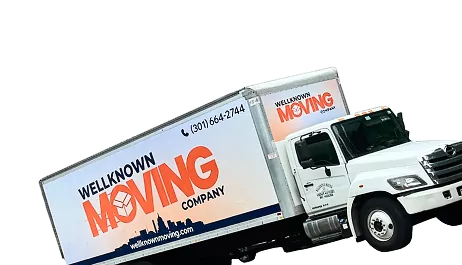 Included
Transportation
truck, driver, mileage
Included
Furniture assembly & disassembly
beds always, more on request
Included
Liability coverage
no paperwork to chase
Included
Gas & tolls
even the turnpike
Quoted separately — only if you ask
Get your itemized estimate
Packing materials & labor
Storage
Specialty crating
You approve each one in writing before anything starts, and every estimate lists the six lines above as included beside your flat rate.
Two ZIPs and a date — that’s the whole quote
Written flat rate for your Chicago to Denver, CO move. Takes about 30 seconds.
- No deposit to hold your date
- A real dispatcher calls back, same day
- No obligation — we never sell your details
From real moves. Pinned to the wall.
5.0
1,390 reviews
Ismail and his team were fantastic Ismail and his team were fantastic! Efficient and quick workers, wouldn’t even let me lift a box!
We moved from Houston to Austin. Thanks to Wellknow Moving for moving our furniture and belongings quickly and safely.
They showed up on time They showed up on time. Incredibly polite. My husband and I barely finished packing so they were patient with us while we finished some items. They took down TVs and everything was wrapped securely. They had to deal with our power going out while moving out of a condo and still kept going. Got to the house, unloaded and we were all set. Full service, excellent help. I’d highly recommend to anyone. Thanks guys!
They showed up on time They showed up on time. Incredibly polite. My husband and I barely finished packing so they were patient with us while we finished some items. They took down TVs and everything was wrapped securely. They had to deal with our power going out while moving out of a condo and still kept going. Got to the house, unloaded and we were all set. Full service, excellent help. I’d highly recommend to anyone. Thanks guys!
Ismail and his team provided an amazing… Ismail and his team provided an amazing moving service and were able to make my moving experience extremely easy despite issues with moving restrictions from both the building I moved out of and the building I moved into. They were fast and efficient, packing and unpacking everything in a little over an hour. I couldn't recommend them more and would definitely use them for my next move!
Ismail and his team provided an amazing… Ismail and his team provided an amazing moving service and were able to make my moving experience extremely easy despite issues with moving restrictions from both the building I moved out of and the building I moved into. They were fast and efficient, packing and unpacking everything in a little over an hour. I couldn't recommend them more and would definitely use them for my next move!
I moved from Boston to NYC and the team was super helpful and amazing. They packed up everything and made my move way easier. I’d definitely recommend them for any future moves across states.
Why people pick WellKnown for this route
A local company, not a broker
Years out of Chicago, running the Denver, CO corridor every week — dispatched by people who know both ends.
A fixed price, agreed up front
Quoted flat-rate with no hidden fees — full service, or just the heavy lifting, shaped to your budget.
Homes, offices, and the awkward stuff
Apartments, houses, storefronts, and specialty equipment all move on the same contract.
Short-notice moves
Closing moved, lease fell through, job starts Monday — if we have a truck on the corridor, we’ll take it.
Request an estimate
usually answered the same day

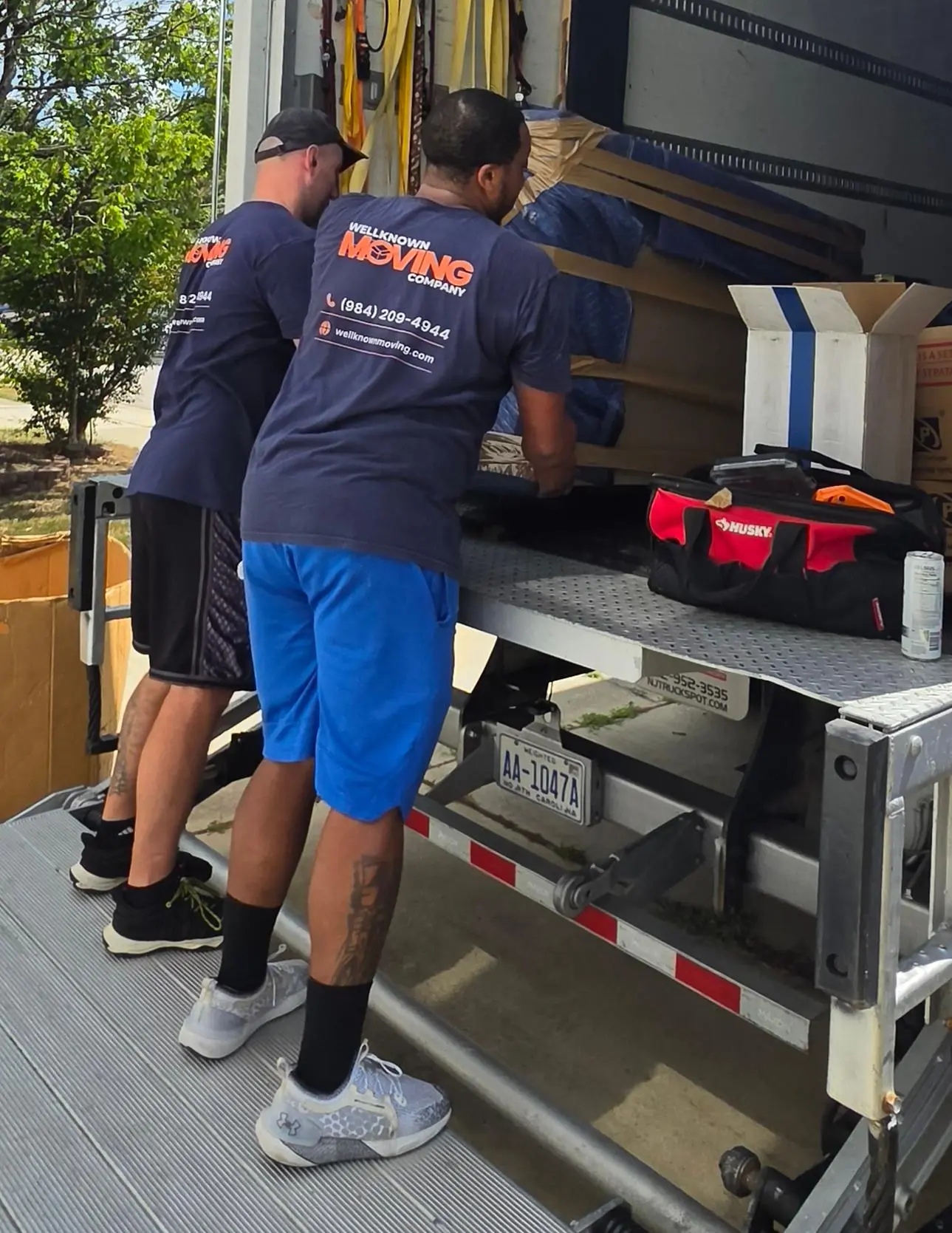
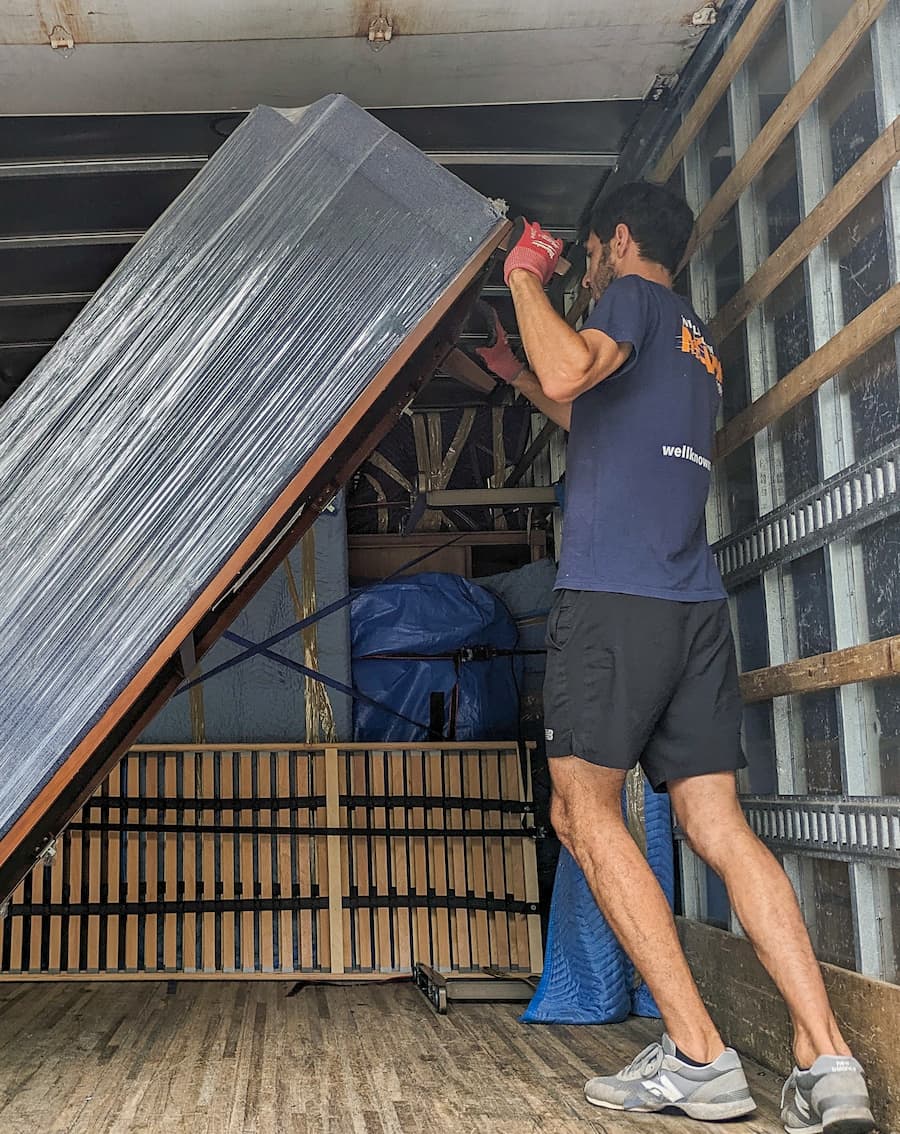
- Route-focused experience. We plan moves from Chicago to Denver all the time, so we know what needs to be done for both pickup in Chicago and arrival in Denver.
- Flat-rate pricing. No extra costs are added to your price at the last minute; it is based on your inventory, access conditions, delivery requirements, and any added services.
- Residential and commercial moving. We handle apartment, house, and office moves, with optional packing, furniture disassembly and reassembly, and storage when needed.
- Denver delivery planning. We can plan around the tight delivery windows, walk-ups, and building needs that come with moving in Denver.
- Careful handling for fragile and bulky items. Let us know ahead of time if you have any pianos, artwork, mirrors, safes, or furniture. This way, we can get the right crew and tools ready.
Frequently Asked Questions
Straight answers about cost, timing, and what Denver, CO is actually like once the truck is unloaded. No fine print games.
How much does it cost to move from Chicago to Denver?
There's no single fixed price — it depends on how much you're moving, the roughly 1,000-mile distance, the services you choose (like packing), the access at both addresses, and whether you book a dedicated or shared truck. A written estimate based on your actual inventory and route is the only accurate way to price it.
How long does a Chicago to Denver move take?
The drive itself is about 14–15 hours over roughly 1,000 miles. Your actual delivery window is usually longer than the drive time, because it depends on scheduling, whether you chose a dedicated or shared truck, and federal driver-hour rules. A shared truck has a wider window since it makes other stops.
Is Denver more expensive than Chicago?
Overall cost of living is broadly comparable. Rent in Denver is often lower than in Chicago, but buying a home in Denver can cost more — so which city feels more expensive depends largely on whether you rent or buy.
Do I need a parking permit for a moving truck in Chicago?
On a busy street, it's strongly recommended. A free Ward courtesy sign only asks neighbors to leave space and isn't enforceable, while a paid CDOT Tow Zone permit is enforceable — a car parked in your reserved zone can be ticketed or towed. Check with your local Ward office for the process.
How do I know a Chicago to Denver mover is licensed and legitimate?
For an interstate move, the mover must be FMCSA-registered with a USDOT number, must provide a written estimate, and must follow the 110% rule at delivery. Verify the USDOT number and insist on a written estimate before you hire.
Field notes
05 guides
Moving tips from the crew
Checklist
Moving Checklist
Week-by-week, from eight weeks out to the morning of the load. Read the guide CompareDIY Moving vs Hiring Professionals
Real numbers on the run: truck rental, fuel, days off work. Read the guide DownsizingMoving into a Smaller Space
What to cut first, and how to measure before you haul it across the country. Read the guide VettingChoosing the Right Moving Company
The five questions that separate a licensed carrier from a broker. Read the guide PackingDIY Packing Guide
Box sizes, wrapping order, and the rooms worth paying us to do. Read the guideEvery guide is written by the crew who runs this route — not a content team. Questions they don’t cover go straight to dispatch.
Get a free estimatePlease contact us if anything is unclear
WellKnown Moving Company Licensed, insured & bonded
- Address 859 Trace Dr, Buffalo Grove, IL 60089
- Phone (224) 521-4244
- Email [email protected]
- Hours Monday – Saturday9:00 AM – 5:00 PM
WellKnown Moving Company
859 Trace Dr, Buffalo Grove, IL 60089